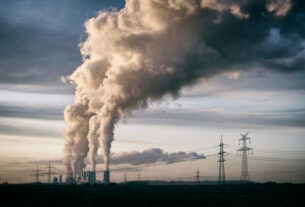

The consequences of burning fossil fuels are most commonly discussed in terms of rising temperatures, extreme weather, and melting ice caps. A new line of scientific inquiry is raising a different and less familiar concern: the possibility that the carbon dioxide accumulating in our atmosphere is not just warming the planet but gradually changing the chemistry of human blood.
The research began almost by accident. A respiratory physiologist at a prominent Australian research institute was approached by a colleague suggesting he examine how rising atmospheric carbon dioxide might affect the human body. His initial reaction was skepticism. The idea seemed too strange, too indirect, too far removed from the more visible consequences of climate pollution. He decided to investigate anyway, and what he found has prompted him to take the question very seriously.
Working with a colleague from Australian National University, the researcher analyzed more than two decades of health data collected from approximately 7,000 Americans every two years between 1999 and 2020. The dataset, drawn from a comprehensive US national health survey, tracks a wide range of blood chemistry markers across a large and diverse population. What the analysis revealed was a set of shifts in blood composition that appeared to move in close alignment with rising levels of atmospheric carbon dioxide over the same period.
What Is Happening Inside the Body
The mechanism behind the findings is rooted in basic physiology. Humans evolved in an atmosphere where carbon dioxide concentrations held relatively steady. Fossil fuel combustion has pushed those concentrations above 420 parts per million today, higher than at any point in recorded human history. As atmospheric carbon dioxide rises, people inevitably breathe in more of it. That increased intake raises the acidity of the blood, and the body responds by producing and retaining more bicarbonate through the kidneys, a process that helps regulate blood pH.
The study, published in the journal Air Quality, Atmosphere and Health, found that average blood bicarbonate levels increased by approximately 7% between 1999 and 2020, a shift that closely tracked the rise in atmospheric carbon dioxide over the same timeframe. If that trajectory continues, the researchers concluded, bicarbonate concentrations in human blood could reach levels considered unhealthy within the next half century.
The findings on calcium and phosphorus add another dimension to the concern. One of the body’s secondary responses to slightly elevated blood acidity involves bones absorbing excess carbon dioxide and storing it as calcium compounds. Over time, this process can reduce the amount of calcium circulating in the bloodstream. The study found blood calcium levels fell by around 2% and phosphorus levels by approximately 7% across the study period. Both trends, if they continue, could push concentrations below healthy thresholds before the end of this century.
Significant Questions Remain
The researchers are careful to frame their findings as a call for more investigation rather than a definitive conclusion. The study did not control for a range of factors that could influence blood chemistry independently, including diet, medication use, kidney function, obesity rates, and the amount of time people spend in enclosed indoor spaces where carbon dioxide concentrations are typically higher than outside.
The authors acknowledge they cannot state with certainty that the observed blood chemistry changes are entirely attributable to rising atmospheric carbon dioxide. What they can say is that the patterns are consistent, that they align with what basic physiology would predict, and that the trends are moving in a direction that warrants sustained scientific attention.
Outside researchers who reviewed the study noted that the question has been raised periodically in the scientific literature without generating sustained follow-up research. Some existing human studies suggest the body can compensate for increased carbon dioxide exposure without obvious adverse effects even under more severe warming scenarios. Others, particularly research conducted on animals, point to measurable consequences including neurological changes and altered heart function.
The researcher who led the study expressed particular concern about children, who will accumulate the longest lifetime exposure to elevated atmospheric carbon dioxide as concentrations continue rising. The picture emerging from the available evidence, he said, is not one of immediate catastrophe but of gradual, measurable change that has received far less scientific scrutiny than its potential significance warrants. Understanding what that change means for human health over the course of a lifetime, he argued, is becoming increasingly urgent.