
Public health agencies are tracking a seasonal rise in Cyclospora infections as more cases of the foodborne illness are reported. The parasite, which can contaminate fresh fruits and vegetables, causes digestive problems and has been linked to outbreaks during the warmer months when fresh produce is widely consumed.
Medical experts say awareness is important because early diagnosis and treatment can shorten the duration of the illness and help prevent complications.
Understanding Cyclospora Infections
Cyclospora is a microscopic parasite that infects the intestines after contaminated food or water is consumed. Unlike many common stomach viruses, the infection is usually associated with fresh produce that has been exposed to contaminated water during growing, harvesting, or processing.
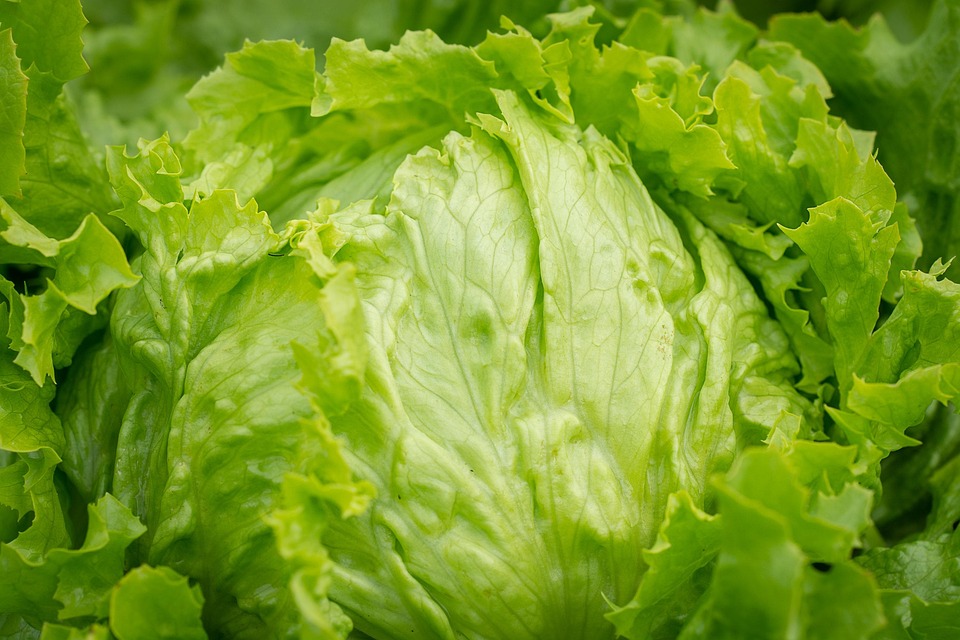
Foods such as leafy greens, herbs, berries, and other raw vegetables have been connected to previous outbreaks. Since the parasite requires time to become infectious outside the human body, direct person-to-person transmission is considered uncommon.
Health professionals recommend handling fresh produce carefully and following proper food preparation practices to reduce the risk of infection.
Recognizing the Symptoms
People infected with Cyclospora may develop watery diarrhea, stomach pain, nausea, fatigue, bloating, and reduced appetite. Symptoms often begin several days after exposure and can continue for weeks if medical treatment is not received.
Healthcare providers diagnose the illness using laboratory tests that identify the parasite in stool samples. Prescription antibiotics are commonly used and are generally effective in clearing the infection.
Anyone experiencing severe dehydration, ongoing diarrhea, or persistent digestive symptoms should seek medical advice, especially older adults, young children, and people with weakened immune systems.
Food Safety Remains Essential
Health officials continue investigating reported cases to identify possible contamination sources and prevent additional illnesses. Consumers are encouraged to purchase produce from reputable suppliers, wash fruits and vegetables before eating them, and keep kitchens clean to minimize the risk of foodborne diseases.
Food producers are also responsible for maintaining sanitation throughout production and distribution to reduce contamination risks before products reach consumers.
Although Cyclospora infections remain relatively rare, experts say seasonal increases highlight the importance of safe food handling. Staying informed about food recalls and practicing good hygiene can help families continue enjoying fresh produce while lowering the risk of illness.
With continued public awareness and strong food safety practices, health officials hope to reduce future outbreaks and protect consumers from preventable foodborne infections.