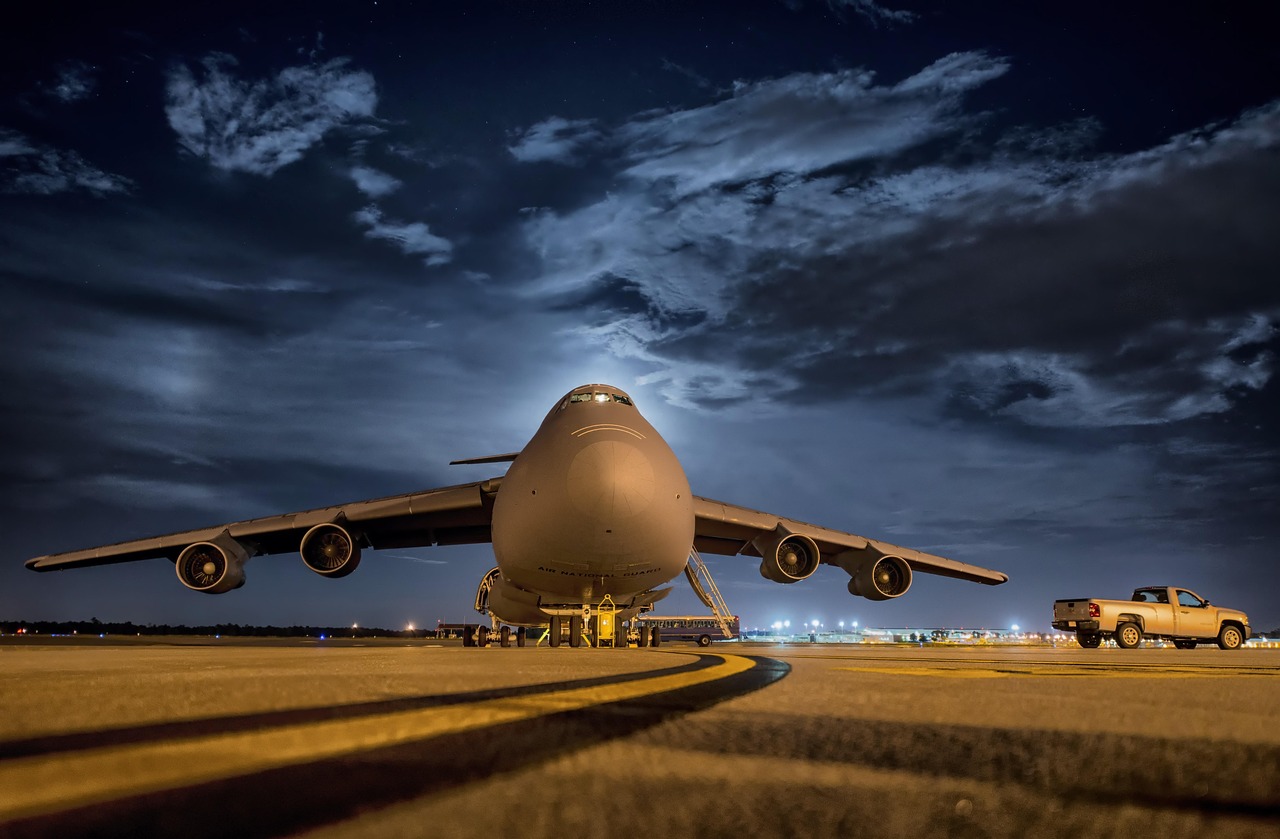
Even carefully planned international travel can face unexpected disruptions, and recent events involving Pope Leo’s return journey have drawn attention to the realities of air travel for world leaders. A technical issue affecting the papal aircraft temporarily delayed the scheduled flight, prompting safety inspections before the journey could continue.
Although the interruption caused changes to the travel timetable, officials emphasized that the precautionary measures were taken to ensure passenger safety and proper aircraft operation. The incident also demonstrated the importance of strict aviation procedures when transporting high-profile figures.
Safety Comes Before Schedule
Aviation experts note that technical concerns, even minor ones, are treated seriously before any aircraft is cleared for departure. Airlines and flight crews routinely follow detailed inspection protocols whenever a potential issue is identified.
In the case of official government or diplomatic flights, these procedures become even more rigorous because of the passengers involved. Engineers and maintenance teams work closely with flight operators to verify that every system functions correctly before takeoff.
While delays can be inconvenient, aviation professionals consistently emphasize that safety decisions should never be compromised for scheduling purposes.
Impact on Official Travel Plans
International visits by religious and political leaders often involve tightly coordinated schedules that include meetings with government officials, public appearances, and diplomatic engagements. Even a short delay can require organizers to adjust multiple events and coordinate with authorities across different countries.
Despite the disruption, officials managing the trip adapted quickly to minimize the impact on planned activities. Modern communication systems allow organizers to revise itineraries efficiently while keeping participants informed of any schedule changes.
Such flexibility has become increasingly important as global travel grows more complex and dependent on multiple logistical factors.
Public Attention on High-Profile Flights
Flights involving internationally recognized leaders naturally receive greater public attention than ordinary commercial operations. News of delays often generates widespread media coverage, even when the cause is relatively routine from an aviation perspective.
Industry specialists point out that technical inspections and temporary groundings occur regularly across the aviation sector. In most situations, these preventive actions are standard safety measures rather than indicators of major mechanical failures.
For public figures whose movements attract significant global interest, however, even routine operational decisions can become headline news.
Aviation Standards Continue to Evolve
The incident also serves as a reminder of the aviation industry’s commitment to continuous safety improvements. Airlines, manufacturers, and regulators regularly update maintenance procedures and inspection standards to reduce operational risks.
Technological advances have improved aircraft monitoring systems, enabling crews to identify potential issues earlier and perform preventive maintenance before problems become more serious.
As international travel continues to expand, these safety protocols remain essential for protecting passengers while maintaining confidence in global aviation systems.
Although unexpected delays may occasionally disrupt carefully planned itineraries, the priority placed on thorough inspections reflects the industry’s long-standing commitment to safe and reliable air travel. In the end, ensuring that every flight operates under proper conditions remains more important than maintaining a strict timetable.