
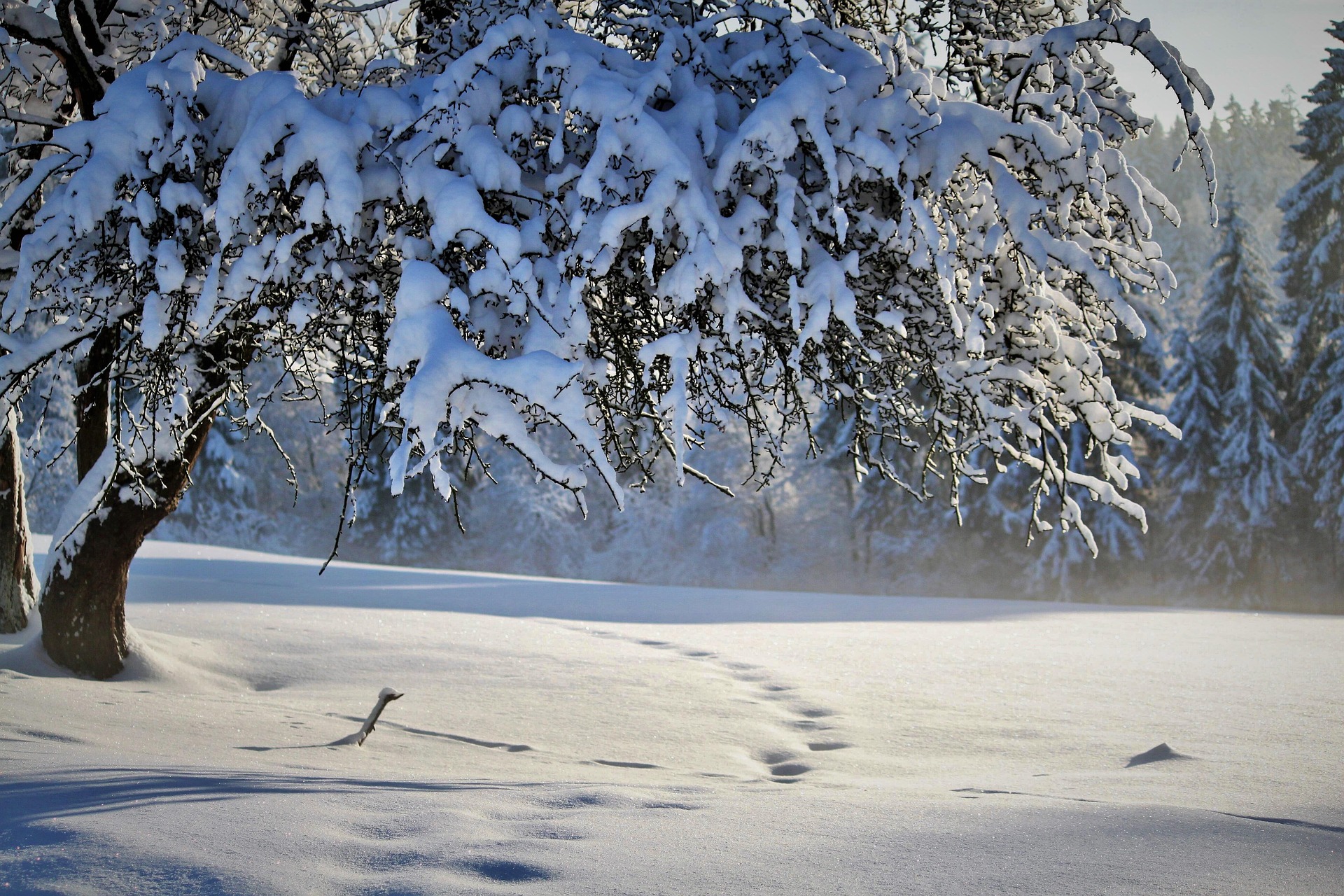
A powerful winter storm swept across the northeastern United States, leaving widespread power outages, severe travel disruptions, and dangerously low temperatures in its wake. Communities across the region are still recovering after the system rapidly intensified into a bomb cyclone, producing extreme snowfall totals and hurricane-force wind gusts.
The storm began late Sunday and strengthened dramatically within hours, bringing blizzard conditions to major population centers from the Mid-Atlantic to New England. Heavy snowfall combined with fierce winds reduced visibility, grounded transportation networks, and forced millions of residents indoors as emergency declarations were issued across multiple states.
Communities Dig Out After Record Snowfall
Snow accumulation reached historic levels in several locations. Many communities were buried under more than two feet of snow, with some areas experiencing totals approaching three feet. Providence recorded nearly 38 inches of snowfall, marking the heaviest snowstorm in the city’s recorded history. Other significant totals included more than 33 inches in parts of Whitman and over 30 inches in locations across New York, Connecticut, and New Jersey.
The intensity of the storm created hazardous conditions that slowed recovery efforts. With temperatures remaining below freezing across much of the region, snow removal operations faced additional challenges as ice accumulation limited melting and kept roads dangerously slick.
Power Outages Leave Thousands in the Cold
High winds and heavy snow placed enormous strain on electrical infrastructure, leading to widespread outages across the Northeast. According to PowerOutage.us, hundreds of thousands of customers lost electricity during the peak of the storm. By early Tuesday, more than 330,000 homes and businesses were still without power, including a significant concentration in Massachusetts.
Utility crews reported that whiteout conditions and dangerous winds initially prevented restoration teams from safely accessing damaged equipment. Although conditions gradually improved, recovery remained slow due to lingering cold temperatures and heavy snowpack.
Transportation Systems Struggle to Recover
The storm severely disrupted travel across the region. Thousands of flights were canceled over several days as airports struggled to manage snow-covered runways and limited visibility. Major transportation hubs including Boston Logan International Airport, LaGuardia Airport, John F. Kennedy International Airport, and Newark Liberty International Airport experienced the highest number of cancellations.
Public transit services were suspended or delayed across multiple metropolitan areas, while icy roadways made driving hazardous even after travel bans were lifted. Schools, government offices, and businesses throughout the region temporarily closed as officials prioritized safety.
Another Weather System on the Horizon
Although the blizzard gradually weakened by Monday evening, forecasters warned that another weather system could bring additional snowfall to parts of the Northeast within days. While expected to be less severe, the new system may still produce light accumulations, particularly in higher elevations.
Experts note that the recent storm underscores the vulnerability of infrastructure to rapidly intensifying weather systems. The combination of extreme snowfall, strong winds, and freezing temperatures created a cascading impact across energy, transportation, and daily life.
As recovery efforts continue, residents are urged to remain cautious while traveling and to prepare for prolonged cold conditions. For many communities, the focus now shifts from immediate survival to long-term cleanup and restoration following one of the region’s most disruptive winter storms in recent years.