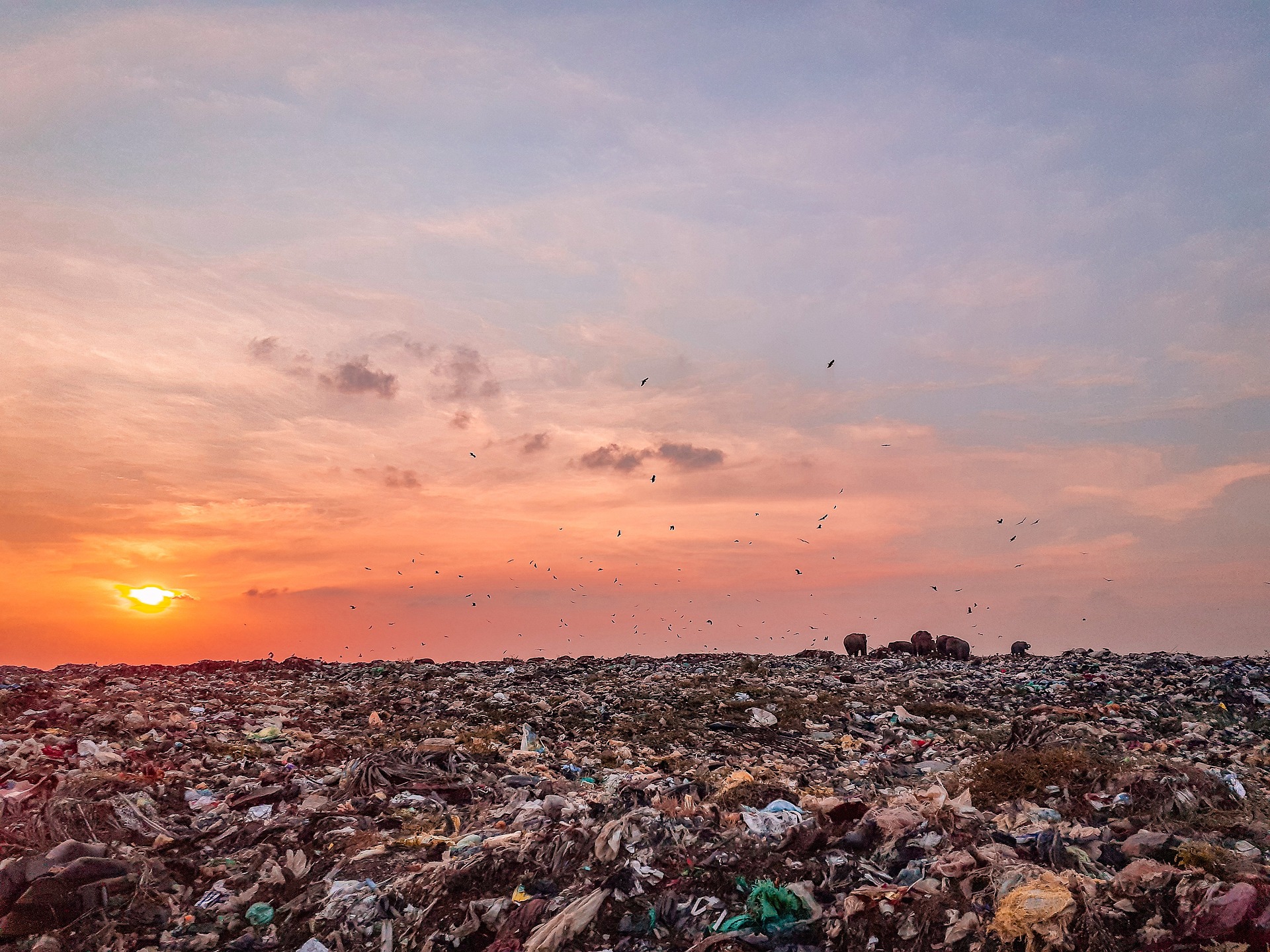
Landfills are often viewed as the final destination for household garbage, food waste, packaging and discarded materials. However, what happens beneath the surface can have significant environmental consequences.
As organic materials decompose, they generate methane, a greenhouse gas that contributes to global warming. Although many large landfills operate gas collection systems, these systems do not necessarily capture every emission.
Growing concerns about methane leaks have renewed discussions about whether waste management companies are doing enough to protect the environment.
Methane Can Escape Despite Collection Systems
Modern landfills commonly use pipes, wells and gas collection equipment to capture emissions produced by decomposing waste.
Captured gas may be burned to reduce its climate impact or processed into renewable natural gas for commercial use.
However, landfill surfaces can develop cracks, erosion, damaged equipment and other problems that allow methane to escape.
A recent investigation by ProPublica examined methane pollution at Republic Services facilities and reported that environmental inspectors had identified numerous problems with monitoring and maintenance.
The findings raise questions about whether existing monitoring systems are sufficient to identify leaks and ensure that operators address them quickly.
Why Methane Is Important to Climate Change
Methane is one of the major greenhouse gases responsible for warming the planet.
Unlike carbon dioxide, which can remain in the atmosphere for centuries, methane has a shorter atmospheric lifetime. However, it has a much stronger warming effect over shorter periods.
This means reducing methane emissions can offer relatively rapid climate benefits.
Landfills are one of several methane sources, alongside agriculture, fossil fuel production and wastewater management.
Reducing emissions from waste facilities could therefore contribute to broader climate goals.
Food Waste Is Part of the Problem
Food waste represents a significant portion of the organic material entering many landfills.
When discarded food decomposes underground, it produces methane. Preventing food from being wasted in the first place could reduce emissions while also conserving the resources used to produce, transport and prepare it.
Composting offers another alternative. Food scraps, leaves and other organic materials can be processed into compost rather than buried in landfill sites.
Communities can support these efforts by separating organic waste, improving recycling systems and encouraging businesses to reduce unnecessary food disposal.
Regulators Are Looking at Better Monitoring
Environmental agencies have increasingly explored ways to improve landfill methane detection.
Traditional monitoring methods can identify some emissions, but newer technologies involving satellites, drones and advanced sensors may help locate leaks more efficiently.
These tools could allow regulators and landfill operators to identify problem areas, monitor emissions over larger areas and respond more quickly to environmental violations.
However, technology must be supported by proper maintenance, inspections, enforcement and accountability.
The Future of Waste Management
Waste management companies face growing pressure to balance profitability with environmental responsibility.
Investments in gas collection, renewable energy, composting and recycling could help reduce pollution while creating new business opportunities.
Nevertheless, capturing methane after waste has been buried is only part of the solution. Reducing the amount of organic waste entering landfills may offer more lasting benefits.
Final Thoughts
Landfill methane emissions are an important but often overlooked part of the climate conversation.
Improved monitoring, stronger environmental enforcement, better landfill management and reduced food waste could help limit the amount of methane released into the atmosphere.
As climate concerns grow, the waste industry will face increasing expectations to demonstrate that garbage disposal can be managed without unnecessary environmental damage.