
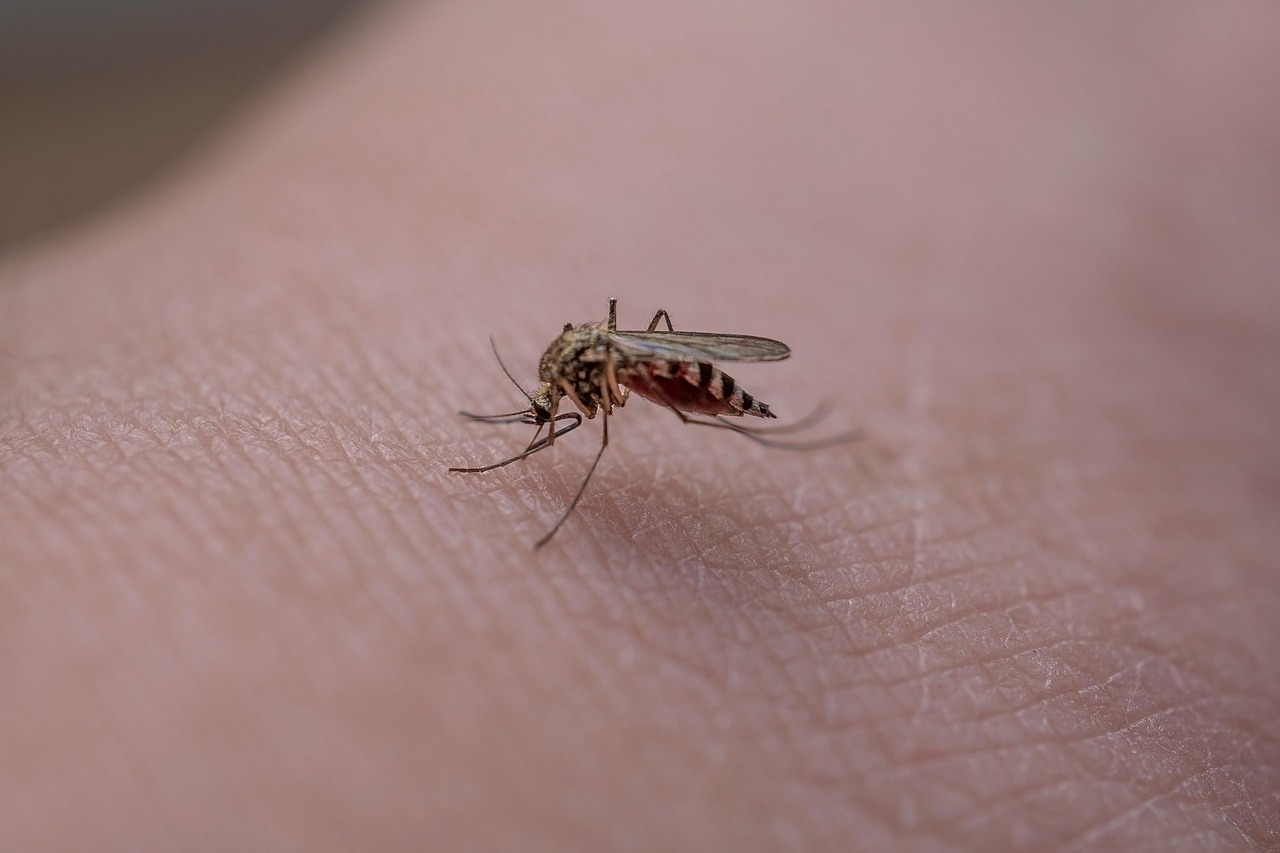
Zika virus is a mosquito-borne infectious disease primarily transmitted through the bite of infected Aedes mosquitoes, particularly Aedes aegypti and Aedes albopictus. Although many infections remain mild or even asymptomatic, Zika gained global attention due to its potential severe consequences during pregnancy and its association with congenital abnormalities. Over the past decade, outbreaks in various regions have highlighted the importance of surveillance, prevention, and public awareness in controlling its spread.
Beyond mosquito transmission, Zika virus can also be spread through sexual contact and from a pregnant mother to her fetus during pregnancy. These additional transmission routes have increased concern among public health authorities, as they complicate efforts to fully control the virus using mosquito-targeted interventions alone. Because of these risks, comprehensive prevention strategies are required that address both vector control and personal protective measures.
Symptoms and Health Effects
In most cases, Zika infection produces mild symptoms that resemble other viral illnesses. Common signs include low-grade fever, skin rash, joint pain, muscle aches, headache, and red or irritated eyes (conjunctivitis). These symptoms typically appear within a few days of exposure and last for a short duration, often resolving within a week without requiring specialized medical treatment.
However, a significant challenge in managing Zika is that many infected individuals do not show any symptoms at all. This asymptomatic nature makes it difficult to detect and track outbreaks accurately, allowing the virus to spread silently within communities.
While Zika infection is generally not severe for most adults, its most serious impact is linked to pregnancy. Infection during pregnancy can lead to congenital Zika syndrome, a group of birth defects that includes microcephaly—a condition where a baby is born with an abnormally small head due to incomplete brain development. Other complications may include vision problems, hearing impairments, and developmental delays.
Because of these potential outcomes, pregnant individuals are considered the highest-risk group. Health authorities strongly emphasize preventive measures for those who are pregnant or planning pregnancy, especially when traveling to regions where Zika transmission is active.
Prevention and Public Health Response
Prevention remains the most effective strategy for reducing Zika virus transmission. Since there is currently no widely available specific antiviral treatment for Zika, controlling mosquito populations and avoiding bites are the primary lines of defense.
Public health recommendations typically include eliminating standing water where mosquitoes breed, using insect repellents containing approved active ingredients, and wearing long-sleeved clothing and protective coverings in areas with known mosquito activity. Window screens, air conditioning, and insecticide-treated nets are also commonly recommended to reduce exposure, particularly in high-risk regions.
Travel advisories play an important role in limiting the spread of Zika, especially for pregnant individuals. During active outbreaks, health agencies may issue warnings advising pregnant women or those trying to conceive to avoid travel to affected areas. These advisories are based on ongoing surveillance data and are updated as transmission levels change.
Global Monitoring and Research Efforts
International health organizations continue to monitor Zika virus activity through coordinated surveillance systems that track cases, mosquito populations, and outbreak patterns. This global monitoring is essential for identifying emerging hotspots and implementing timely public health interventions.
In addition to surveillance, scientific research is focused on improving diagnostic tools that can distinguish Zika from other similar mosquito-borne illnesses such as dengue and chikungunya. Researchers are also working on vaccine development, although progress has been gradual due to fluctuating case numbers and scientific challenges related to immunity and virus behavior.
Despite these challenges, advancements in vector control strategies, public health education, and diagnostic technology have strengthened global preparedness. The lessons learned from previous outbreaks have helped health systems respond more effectively and reduce the risk of large-scale transmission.
Ultimately, the Zika virus remains a significant public health concern due to its unique transmission routes and its impact on fetal development. Continued investment in prevention, research, and global cooperation is essential to minimize future outbreaks and protect vulnerable populations worldwide.