Sudan is battling a severe health emergency as cholera continues to spread across the country, threatening millions of people. Since mid-2024, the disease has moved swiftly through cities, villages, and displacement settlements, driven by armed conflict, flooding, and the breakdown of essential services. In a nation already struggling to survive war, cholera has become another deadly burden for vulnerable communities.
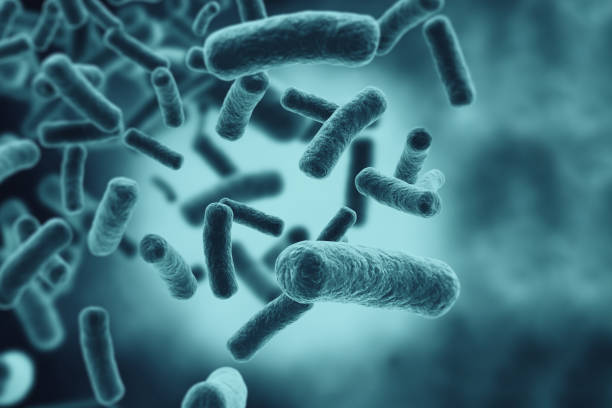
Cholera is a highly dangerous bacterial infection transmitted through contaminated water and food. It causes intense diarrhoea and rapid dehydration, which can turn fatal within hours if treatment is delayed. In Sudan, worsening living conditions have created an environment where the disease can spread quickly and uncontrollably.
War, Flooding, and Failing Infrastructure Accelerate the Crisis
Prolonged fighting has destroyed much of Sudan’s water supply systems, sanitation networks, and healthcare facilities. Many communities no longer have access to clean drinking water and are forced to rely on unsafe sources. Heavy seasonal rains have further intensified the crisis by flooding homes and mixing waste with water supplies, allowing cholera to spread more easily.
At the same time, the healthcare system is barely functioning. Numerous hospitals and clinics have closed, while those still operating face critical shortages of staff, medicines, and medical equipment. For many people showing symptoms of cholera, reaching medical care in time has become nearly impossible.
Conflict has also displaced large numbers of families, forcing them into overcrowded camps and informal settlements. These areas often lack proper toilets, clean water, and waste disposal, creating ideal conditions for the rapid transmission of disease. A single infection can quickly escalate into a widespread outbreak.
Displacement Camps Struggle With Unsafe Living Conditions
Areas hosting displaced populations have been hit especially hard. Camps and small towns are now sheltering far more people than their infrastructure can support. Water supplies are stretched thin, sanitation facilities are damaged or absent, and hygiene conditions are extremely poor.
In many camps, families are left with no choice but to drink contaminated water to survive. Reports of polluted wells and exposed water sources reflect the desperate circumstances people face daily. Nearby medical centres are overwhelmed, with limited space and exhausted healthcare workers struggling to manage the growing number of cholera cases.
Children remain at greatest risk. Malnutrition, weakened immune systems, and poor hygiene make them far more vulnerable to severe illness and death from the disease.
A Worsening Emergency With Cross-Border Risks
The cholera outbreak in Sudan poses a serious threat beyond its borders. Ongoing displacement and cross-border movement have raised concerns about the disease spreading to neighbouring countries, many of which already face strained healthcare systems. Refugee camps outside Sudan often lack adequate sanitation, making them highly vulnerable to similar outbreaks.
Although emergency medical responses have saved lives, aid organisations warn that the crisis is far from under control. Limited funding, ongoing violence, and destroyed infrastructure prevent sustainable solutions from being implemented.
Health experts stress that medical treatment alone will not stop cholera. Without lasting peace, restored water and sanitation systems, and functioning healthcare services, the disease will continue to resurface. As the rainy season continues, the risk of further infections remains alarmingly high.
For many Sudanese families, surviving the conflict is no longer the only struggle. Disease, hunger, and unsafe living conditions now threaten those who have already lost nearly everything.