
India’s transportation landscape is undergoing a visible transformation as electric three-wheelers and other battery-powered vehicles spread across cities, towns and rural communities. These vehicles are increasingly favored for short trips because they cost less to operate and maintain than fuel-based alternatives. For many drivers, the economic advantage is the main reason for switching, while reduced emissions are an added benefit. This steady rise in electric mobility highlights a broader shift toward electrification across the country’s transport network.
Rapid Growth in Solar Capacity
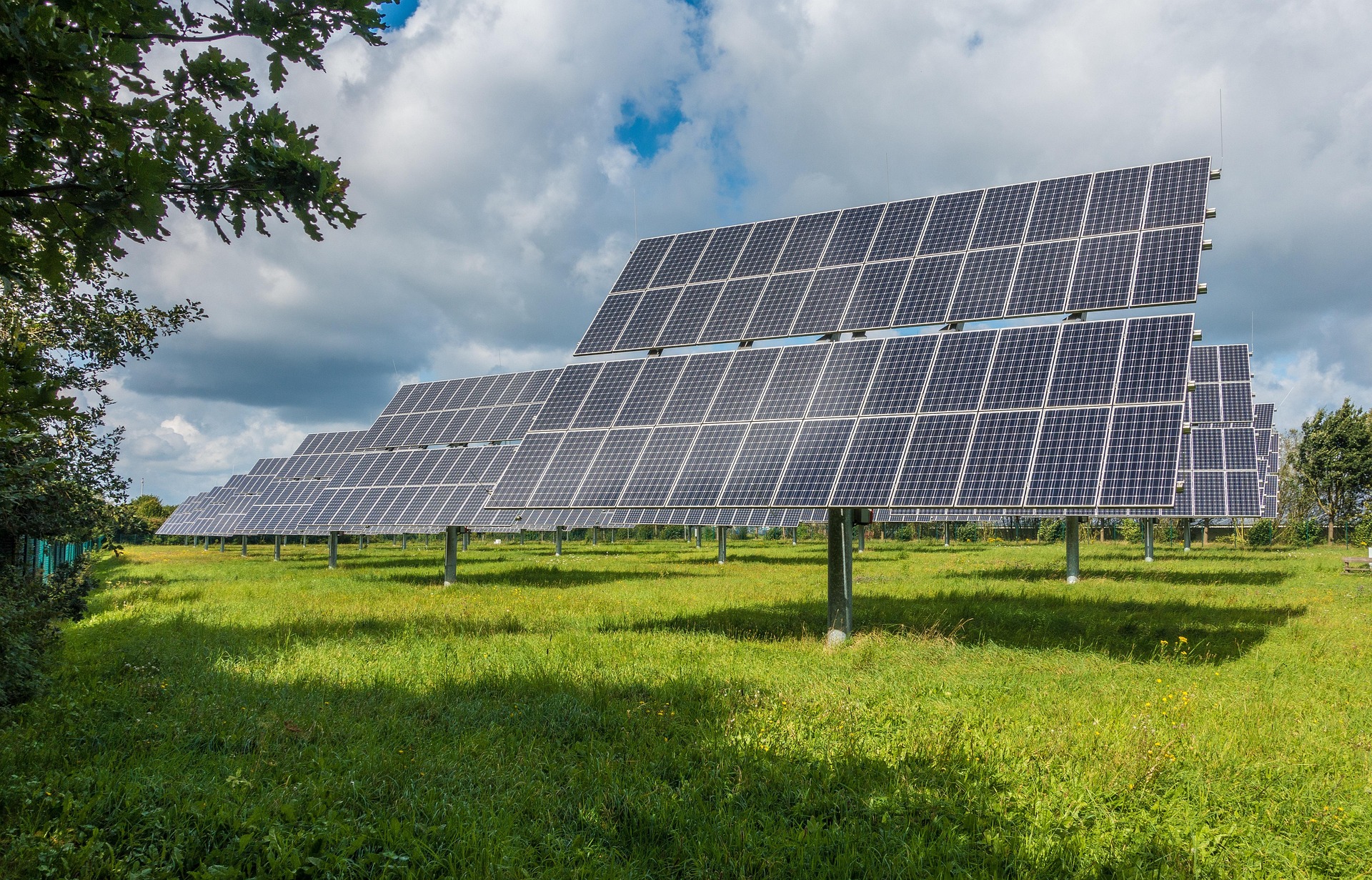
The country’s power sector is also changing quickly, driven by a sharp increase in solar energy generation. Large solar parks and rooftop installations are supplying a growing share of electricity as technology costs continue to fall. Renewable power is becoming more competitive with conventional energy sources, encouraging faster adoption across multiple sectors. Although fossil fuels still contribute significantly to meeting rising energy demand, the pace of renewable expansion signals a long-term restructuring of the national energy system.
Compared with earlier industrial pathways, India is incorporating renewable energy at a much earlier stage of development. This approach allows the country to expand electricity production while limiting reliance on carbon-intensive fuels. The result is an energy transition shaped not only by environmental priorities but also by economic practicality.
Cleaner Energy for Greater Independence
Reducing dependence on imported fuels has become a major driver of India’s energy strategy. Heavy reliance on foreign oil and gas exposes the country to price fluctuations and global uncertainties. By investing in domestic renewable energy and strengthening local manufacturing capabilities, India is working to build a more secure and self-reliant energy framework.
The country’s progress carries global significance as one of the world’s largest energy consumers. Its rapid adoption of renewable technologies and electrified transport offers a potential model for other developing economies seeking sustainable growth. While challenges such as infrastructure development and continued fossil fuel use remain, India’s accelerating transition suggests a decisive move toward a cleaner and more resilient energy future.