
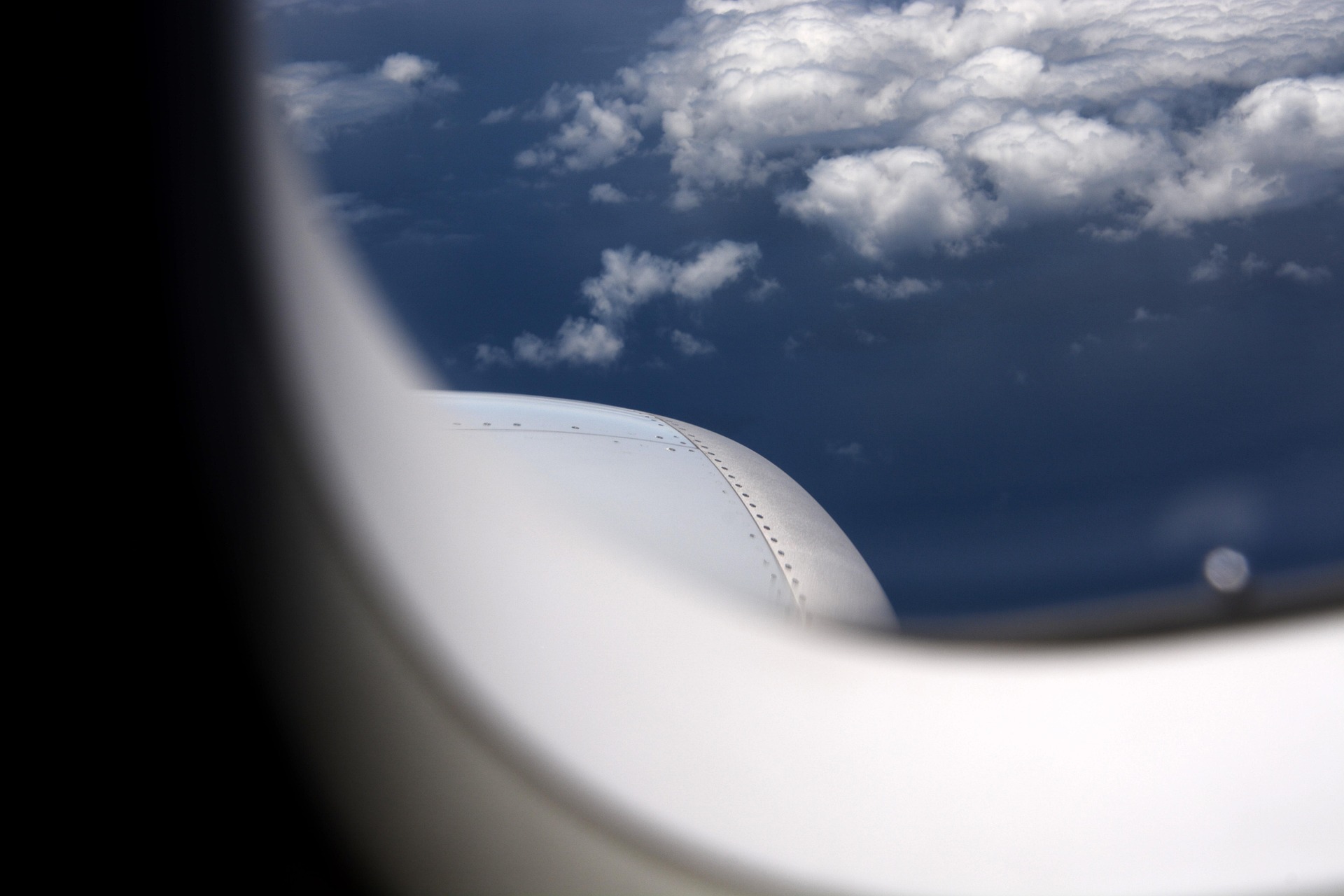
Air travel could face increasingly complicated weather conditions as climate change alters atmospheric patterns and powerful El Niño events influence global weather.
Scientists are examining how warming temperatures may affect turbulence, aircraft icing and extreme heat. These hazards already challenge pilots and airlines, but changing weather patterns could make some of them more difficult to predict.
The aviation industry relies on weather forecasting, radar systems, pilot reports and safety procedures to manage risks. However, rapidly developing atmospheric conditions can sometimes create unexpected challenges.
Turbulence Could Become More Common
Turbulence occurs when aircraft encounter irregular air movements caused by storms, mountains, wind changes or atmospheric disturbances.
One particularly challenging type is clear-air turbulence. It can occur without visible clouds and may be difficult for conventional onboard radar to detect.
Researchers have found evidence that climate change is increasing severe clear-air turbulence in certain regions. A 2023 study found a significant increase in severe turbulence over the North Atlantic during the period studied.
As temperatures change, differences between atmospheric temperatures can influence wind speeds and jet stream behavior, potentially creating conditions that contribute to turbulence.
Passengers may experience more uncomfortable flights in some areas if these trends continue.
El Niño Could Add Another Weather Challenge
El Niño is a natural climate phenomenon involving changes in ocean temperatures in the tropical Pacific. It can influence atmospheric circulation and weather patterns around the world.
Strong El Niño events can affect wind shear in the upper atmosphere, where commercial aircraft frequently travel. Researchers have linked particularly strong events with increased turbulence reports in some regions.
However, El Niño does not affect every location in the same way. Its influence depends on regional weather patterns, seasonal conditions and the strength of the event.
The combination of climate change and natural climate variability makes forecasting future aviation conditions more complicated.
Aircraft Icing Remains a Serious Concern
Aircraft icing occurs when supercooled water droplets freeze upon contact with an aircraft. Ice can accumulate on wings and other surfaces, changing their aerodynamic properties.
The buildup can reduce lift, increase drag and affect aircraft performance. It may also interfere with sensors or other equipment.
Scientists are still studying how climate change could influence icing conditions. A warmer atmosphere does not necessarily eliminate the risk because freezing conditions can still occur at altitude and in certain weather systems.
Airlines and aircraft manufacturers use specialized equipment and procedures to manage icing risks, but predicting where and when conditions will develop remains important.
Extreme Heat Can Affect Aircraft Performance
Hot weather can also create challenges, particularly during takeoff.
Warm air is less dense than cooler air, reducing the amount of lift aircraft wings can generate under certain conditions. Airports with shorter runways or high temperatures may face operational restrictions.
Airlines sometimes adjust departure times, passenger loads or cargo weights to ensure aircraft can operate safely.
As heat waves become more intense in some regions, aviation planners may need to consider more frequent temperature-related operational adjustments.
Technology Could Improve Aviation Safety
Weather forecasting technology continues to advance. Artificial intelligence, improved satellite observations, radar systems and better atmospheric models could help identify dangerous conditions earlier.
Researchers are also developing tools to detect turbulence and areas with high ice-water concentrations.
These technologies could help pilots and air traffic controllers make better-informed decisions, although forecasting rapidly changing atmospheric conditions remains difficult.
Final Thoughts
Climate change and El Niño could create additional challenges for the aviation industry, particularly through turbulence, icing and extreme heat.
Flying remains a highly regulated and carefully managed form of transportation. Continued investment in forecasting technology, aircraft safety systems and weather research will be essential as atmospheric conditions evolve.