The cost of familiar grocery items may rise as changing weather conditions threaten agricultural production across several continents. El Niño, a climate pattern linked to warmer-than-normal surface waters in the tropical Pacific, can alter rainfall and temperature patterns far beyond the ocean.
Its effects may include drought in some agricultural regions and excessive rainfall in others. These conditions can disrupt crops, reduce harvest quality, and create uncertainty for farmers and food companies.
With international supply chains already under pressure, El Niño grocery prices could become a growing concern for households during the coming months and into 2027.
Why Coffee Markets Are Vulnerable
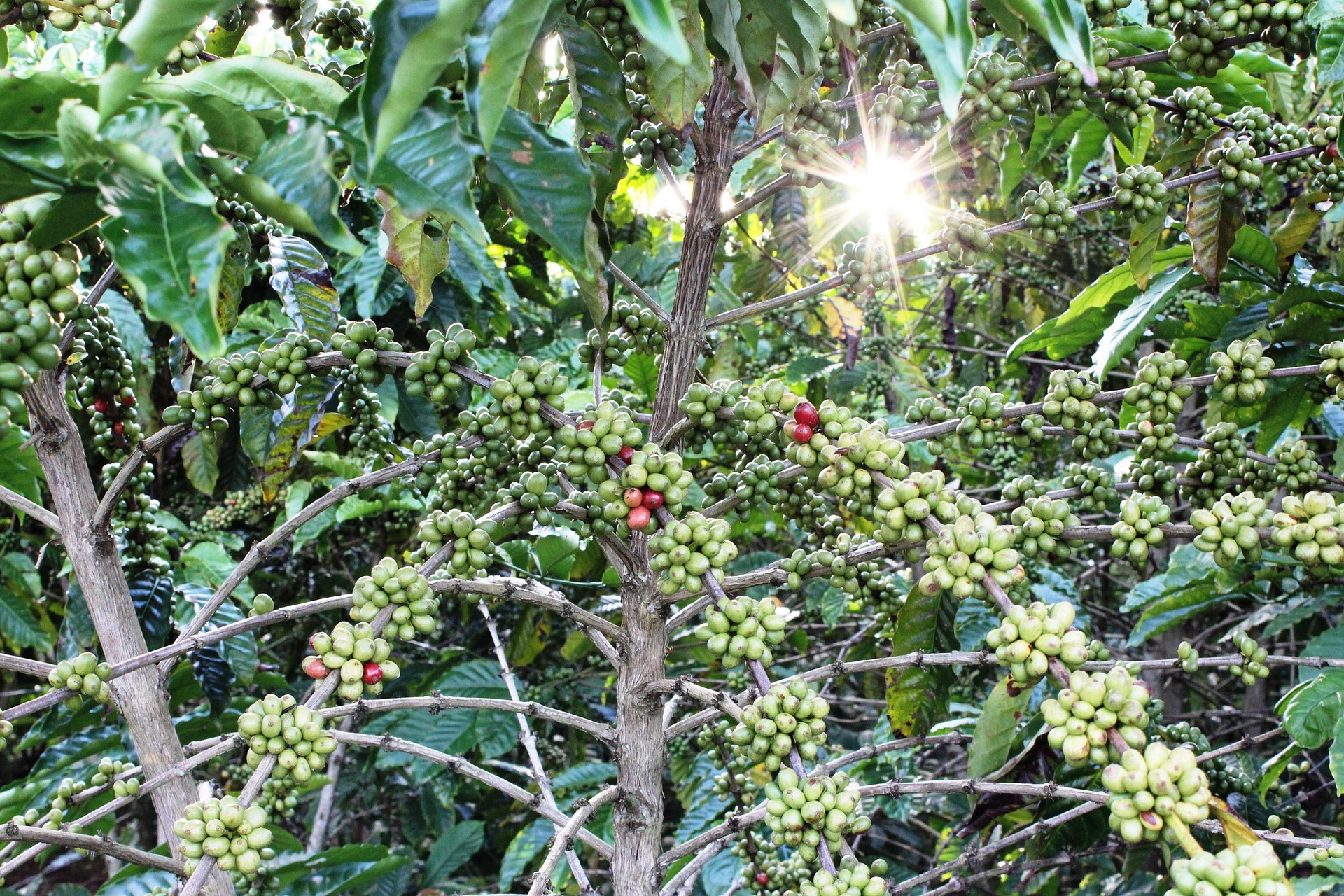
Coffee production depends on suitable temperatures, reliable rainfall, and carefully timed growing seasons. When these conditions change, farmers may struggle to maintain yields and bean quality.
Brazil is a major supplier of arabica coffee, while Vietnam plays a leading role in robusta production. Both countries can experience significant weather disruptions during El Niño events.
A poor harvest in either country can affect global availability because other producers may not have enough capacity to replace the missing supply quickly.
Coffee prices can also respond to expectations before the full extent of crop damage becomes clear. Traders may anticipate shortages, while roasters and retailers adjust purchasing strategies to manage potential increases in costs.
Chocolate Supplies Depend on Healthy Cocoa Crops
Chocolate production faces similar risks. Much of the world’s cocoa comes from Ivory Coast and Ghana, where rainfall and temperature conditions strongly influence crop development.
Prolonged dryness and excessive heat can stress cocoa trees, affecting flowers and developing pods. When production falls short, manufacturers may pay more for cocoa beans and pass some of those additional costs on to consumers.
The effect on retail products may take time to appear because manufacturers often purchase ingredients through contracts negotiated months in advance.
As a result, El Niño grocery prices may not immediately reflect changing conditions on farms. The eventual impact will depend on existing inventories, market contracts, and the size of future harvests.
Palm Oil and Staple Foods Face Different Challenges
Palm oil is another important commodity at risk from changing weather patterns. Indonesia and Malaysia are major producers, and prolonged dry conditions can affect production while increasing the likelihood of wildfires in vulnerable landscapes.
Because palm oil is used in numerous packaged foods and household products, disruptions can affect businesses beyond the agricultural sector.
Staple foods face a different set of risks. In India, weaker monsoon rainfall can affect rice production, while hotter and drier conditions in Australia may reduce wheat harvest prospects. In eastern and southern Africa, flooding and drought can damage maize crops and increase pressure on local food supplies.
These regional differences mean that the consequences will not be identical everywhere.
Global Supply Chains Could Amplify the Impact
Higher energy and transportation costs, fertilizer supply constraints, geopolitical tensions, and trade barriers can make weather-related agricultural disruptions more difficult to manage.
Countries with limited financial resources may struggle to replace lost harvests through imports. Export restrictions introduced to protect domestic supplies can also reduce the amount of food available to international buyers.
These factors could intensify El Niño grocery prices, particularly in regions already experiencing economic hardship or food insecurity.
Preparing for an Uncertain Food Outlook
El Niño does not guarantee that every affected product will become more expensive. Weather impacts depend on local conditions, crop development, and the ability of producers to adapt.
Governments and agricultural businesses can reduce risks through better forecasting, diversified supply chains, improved irrigation, and investment in resilient farming practices.
For consumers, the coming months may bring uneven price changes rather than a uniform increase across all groceries. Monitoring harvest conditions and global commodity markets will help clarify how much of the potential pressure ultimately reaches supermarket shelves.