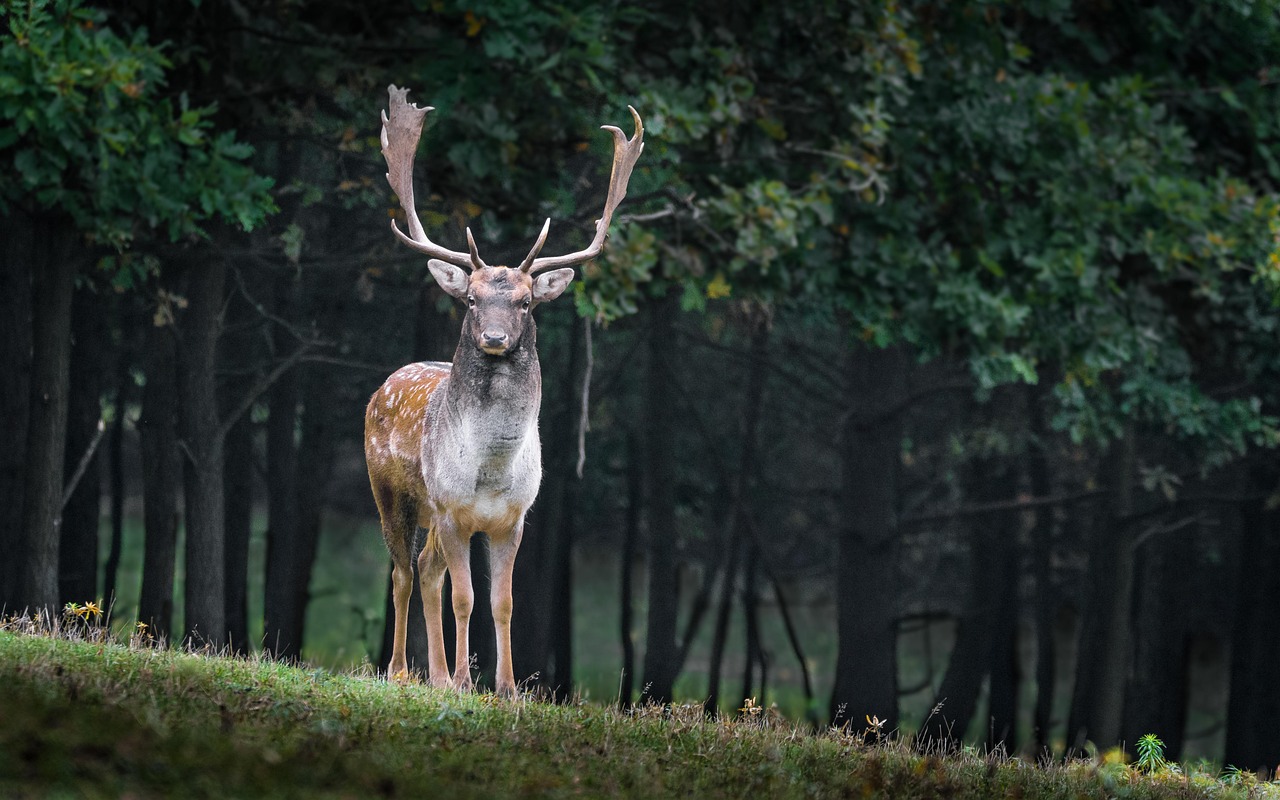
A glimpse of a fox crossing a woodland path or a bird feeding its chicks can turn an ordinary moment into an unforgettable wildlife encounter. With cameras installed in natural habitats, people no longer need to visit a remote location to witness these events.
Wildlife camera livestreams are creating new ways to explore the natural world. They connect viewers with animals that are difficult to observe in person while helping conservation groups communicate the importance of protecting biodiversity.
For children, students, and adults alike, these digital experiences can be an accessible starting point for learning about the environment.
Discovering Animal Behavior From a Distance
Many animals are active when people are not around. Some move through forests at night, while others remain hidden among vegetation or in nesting areas. Traditional wildlife observation can require considerable time and patience.
Trail cameras address some of these challenges by recording movement when an animal passes within range. Live cameras take the experience further by allowing viewers to follow activity as it happens.
Wildlife camera livestreams can reveal how animals interact with their surroundings, care for their offspring, or respond to other members of their species. These observations help audiences appreciate that wildlife has complex behaviors and needs that extend beyond what can be seen in a brief encounter.
Remote observation can also reduce the need for people to approach sensitive habitats, provided cameras are installed and managed responsibly.
Making Environmental Education More Engaging
Environmental lessons can become more memorable when students have the opportunity to observe real animals rather than rely entirely on illustrations or written descriptions.
A classroom following a bird’s nesting season, for instance, can discuss reproduction, feeding behavior, and the demands of raising young. Footage from a forest camera may prompt questions about predators, camouflage, and the relationships between species.
Wildlife camera livestreams can encourage students to investigate these questions independently. Teachers can connect observations with lessons about climate, biodiversity, pollution, and habitat destruction.
This approach may also help students recognize that conservation involves scientific investigation, careful observation, and long-term responsibility.
Helping Researchers Monitor Wildlife
Beyond education, camera technology provides useful information for conservation research. Motion-triggered cameras can document species presence, reveal patterns of activity, and help researchers assess how animals use different habitats.
Some projects invite volunteers to review photographs and identify the animals they contain. This participation can help process large collections of images while giving members of the public a direct connection to scientific work.
Live broadcasts may also generate questions and observations that encourage further investigation. Nevertheless, a camera captures only a limited view of an ecosystem. Scientists must combine these observations with other evidence before reaching conclusions about animal populations or environmental changes.
Building a Lasting Interest in Conservation
Repeated exposure to wildlife can encourage people to learn about the threats facing different species. Habitat destruction, pollution, illegal hunting, and climate change can become easier to understand when viewers recognize the animals affected by these problems.
Wildlife camera livestreams may inspire younger audiences to explore careers in ecology, zoology, wildlife management, and environmental science. They can also encourage everyday actions, such as respecting local habitats and supporting credible conservation organizations.
These outcomes are not automatic. Educational guidance and opportunities to take meaningful action help turn interest into lasting engagement.
A Digital Connection to the Natural World
Technology alone cannot safeguard endangered species or restore damaged ecosystems. Effective conservation requires scientific research, habitat protection, responsible policies, and community participation.
However, remote cameras can help bridge the gap between people and wildlife. By making hidden animal behaviors visible, they create opportunities to learn, ask questions, and develop a stronger appreciation for nature.
That connection can be an important first step toward a future in which more people understand wildlife conservation and take an active interest in protecting the planet’s biodiversity.