
For the Northern Cheyenne tribe in southeastern Montana, fishing is not simply a recreational activity. It is a deeply rooted cultural tradition and a meaningful source of food that has sustained families across generations. Rainbow trout pulled from local waterways are cleaned and cooked on the spot, shared among family members the way they have been for as long as anyone can remember. That tradition now carries a risk that no amount of cultural preservation can eliminate on its own.
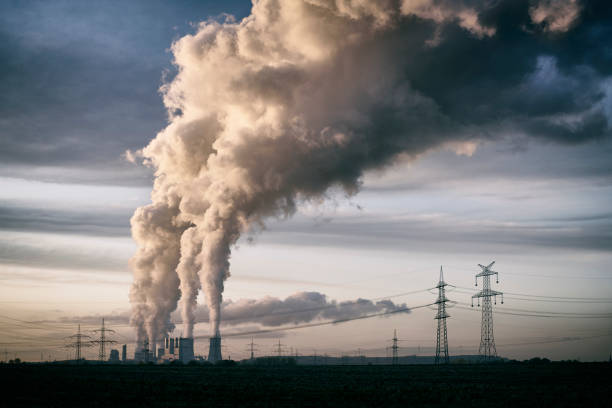
The nearby Colstrip power plant releases mercury and other toxic heavy metals including lead and arsenic through its smokestacks. Those pollutants settle into surrounding land and water, where they are absorbed by fish and eventually by the people who eat them. It is a slow, invisible process — and it is one that federal environmental regulators spent years trying to contain.
Under regulations established during the Obama administration, mercury emissions from coal-fired power plants across the country were cut by roughly 90%. It was one of the most significant environmental health achievements of that era. The Trump administration has now rolled back a subsequent set of rules finalized under President Biden that were intended to close remaining loopholes and tighten standards for other toxic metals. In doing so, it has left communities like the Northern Cheyenne in a more vulnerable position than they were heading into this year.
A Toxin That Builds Silently in the Body
Mercury is not a pollutant whose effects are immediately visible. It accumulates gradually in water, in fish tissue, and ultimately in the bodies of people who consume those fish regularly. Subsistence fishers and recreational anglers, who eat far more fish than the national average, face disproportionate exposure. Pregnant women, infants, and young children are at particular risk because mercury is a neurotoxin capable of disrupting brain development and causing lung disease.
The Colstrip plant emitted nearly 60 pounds of mercury last year, according to federal environmental data. While that figure is lower than the worst offenders nationally — lignite coal plants in Texas and North Dakota each released around 250 pounds — the cumulative health burden on communities living in proximity to any coal-burning facility is real and documented. Harvard University research has identified elevated mercury concentrations in states where lignite plants continue to operate, with smaller but measurable hotspots around other coal facilities including Colstrip.
The Trump EPA defended its rollback by citing the effectiveness of the original Obama-era rules, arguing that a 90% reduction in mercury pollution was sufficient and that the additional compliance costs required by Biden’s updated regulations were not justified by the marginal health improvements they would produce. Officials stated that their approach remained fully protective of human health.
Independent environmental scientists disputed that characterization directly. The argument that a relatively small number of plants are affected, they noted, obscures the fact that the communities living near those plants experience the consequences in full, not in fractions.
A Community Caught Between Health and Economics
The Northern Cheyenne’s relationship with Colstrip is complicated in ways that defy simple narratives. The plant provides local employment and contributes funding that helps the tribe monitor air quality in the surrounding area. Economic dependence on a facility that also poses health risks is a tension familiar to many communities built around extractive industries — and one that makes straightforward opposition politically and practically difficult.
What the tribe’s environmental protection director described is a pattern of deteriorating health outcomes that she has watched develop over nearly two decades in her role. Cancer rates are climbing. Community members are dying younger. Medical appointments are difficult to access in a region where healthcare infrastructure is limited. Connecting specific health outcomes to specific pollution sources is scientifically complex, but the accumulation of evidence has made her increasingly concerned about what the rollback of environmental protections means in practice for her neighbors.
The Colstrip plant carries another distinction that compounds the problem. It is the highest emitter of soot pollution in the United States, and unlike most comparable facilities, it has not installed basic pollution control technologies on its two operating units despite them having run for four decades. The plant was already granted a waiver allowing it to bypass Biden-era rules before the current administration eliminated those rules altogether. The result is a facility that has consistently resisted the pollution reduction measures that the rest of the coal industry has largely adopted, protected by regulatory carve-outs that environmental advocates argue were never justified.
For the people fishing those Montana rivers, the rollback is not an abstraction. It is a policy decision with a direct line to what ends up on their plates and in their bloodstream.