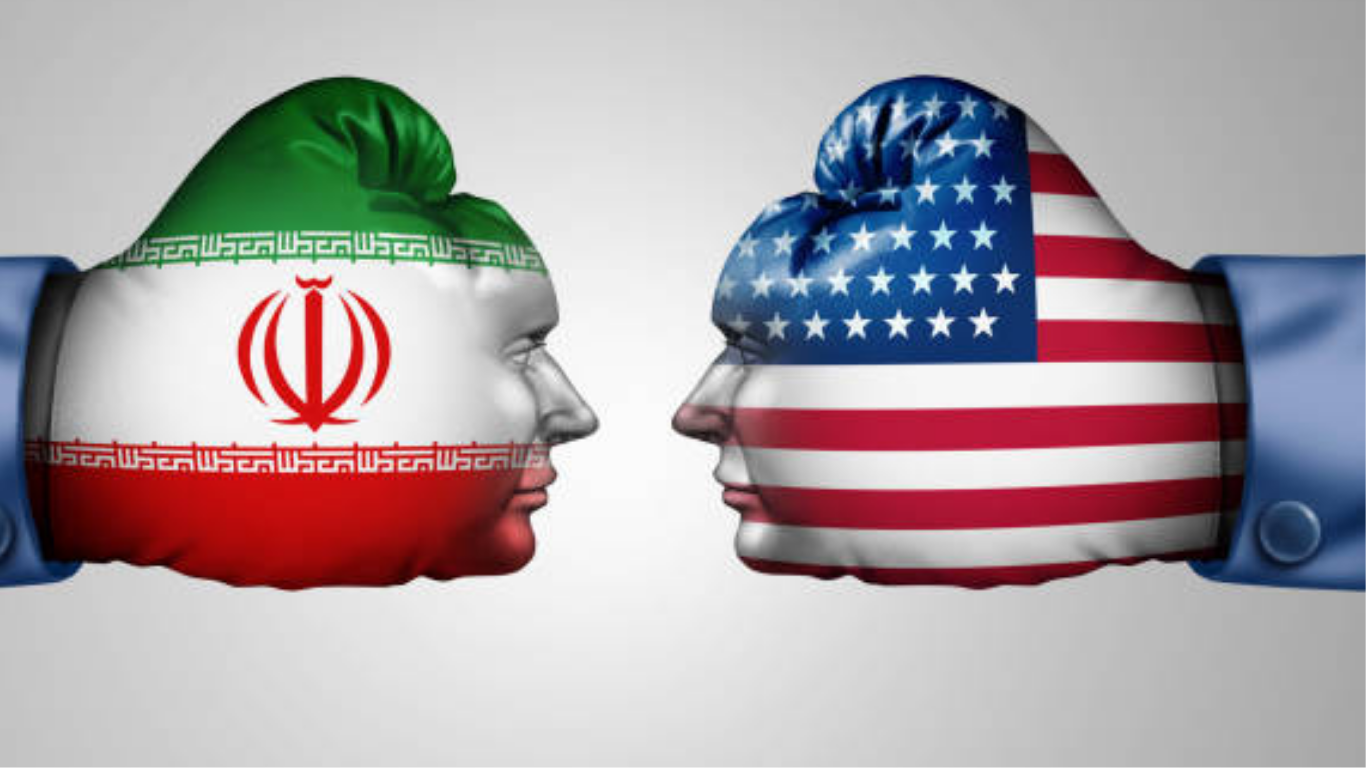
The United States is closely monitoring Iran’s reaction to a recent proposal aimed at ending ongoing hostilities, even as tensions escalate following an exchange of fire in the region. Officials emphasize that diplomacy remains the preferred route, though the situation is delicate.
Recent Escalations Raise Concerns
Tensions between the two nations have intensified after a series of military exchanges. While details about the incidents remain limited, the flare-ups underscore the fragile state of regional security. Both sides have accused each other of provocative actions, heightening fears of further escalation.
Despite the confrontations, US officials remain cautiously optimistic that dialogue can prevent a larger conflict. Diplomatic channels are being maintained, and the proposal delivered to Tehran outlines potential steps toward reducing hostilities and promoting stability. Analysts note that while exchanges of fire complicate negotiations, they do not necessarily preclude progress if both sides remain willing to engage.
The Peace Proposal
The proposal reportedly emphasizes a phased approach to easing tensions, including mutual ceasefires, confidence-building measures, and structured diplomatic engagement. US negotiators are stressing that immediate action could prevent further violence and potentially open the door to broader discussions on security and regional cooperation.
Experts point out that the proposal reflects a balance between firmness and flexibility. While it requires Iran to make commitments to limit aggressive actions, it also offers incentives for cooperation, including potential economic and political benefits. The US hopes this approach will demonstrate a commitment to peace while signaling that continued hostilities carry risks.
Waiting for a Response
At this stage, Tehran’s response is pending, and US officials are exercising patience. The delay in response is not unusual in high-stakes diplomacy, particularly when security concerns and domestic politics influence decision-making. Analysts suggest that Iran may use the time to assess the proposal’s implications and consult with regional allies.
The international community is watching closely, as any movement toward resolution could have a significant impact on global stability and energy markets. Meanwhile, US diplomats continue to engage allies and partners to coordinate potential outcomes and maintain a united approach to the negotiations.
While uncertainty remains, the situation highlights the ongoing challenges of conflict resolution in a region marked by deep-seated political and military tensions. Observers emphasize that sustained diplomatic efforts, even amid flare-ups, are essential for preventing escalation and fostering long-term stability.
As the US awaits Iran’s reply, the coming days could prove critical in determining whether dialogue can gain traction or if tensions will continue to rise. The world is watching to see if diplomacy will prevail over confrontation in this complex geopolitical landscape.