
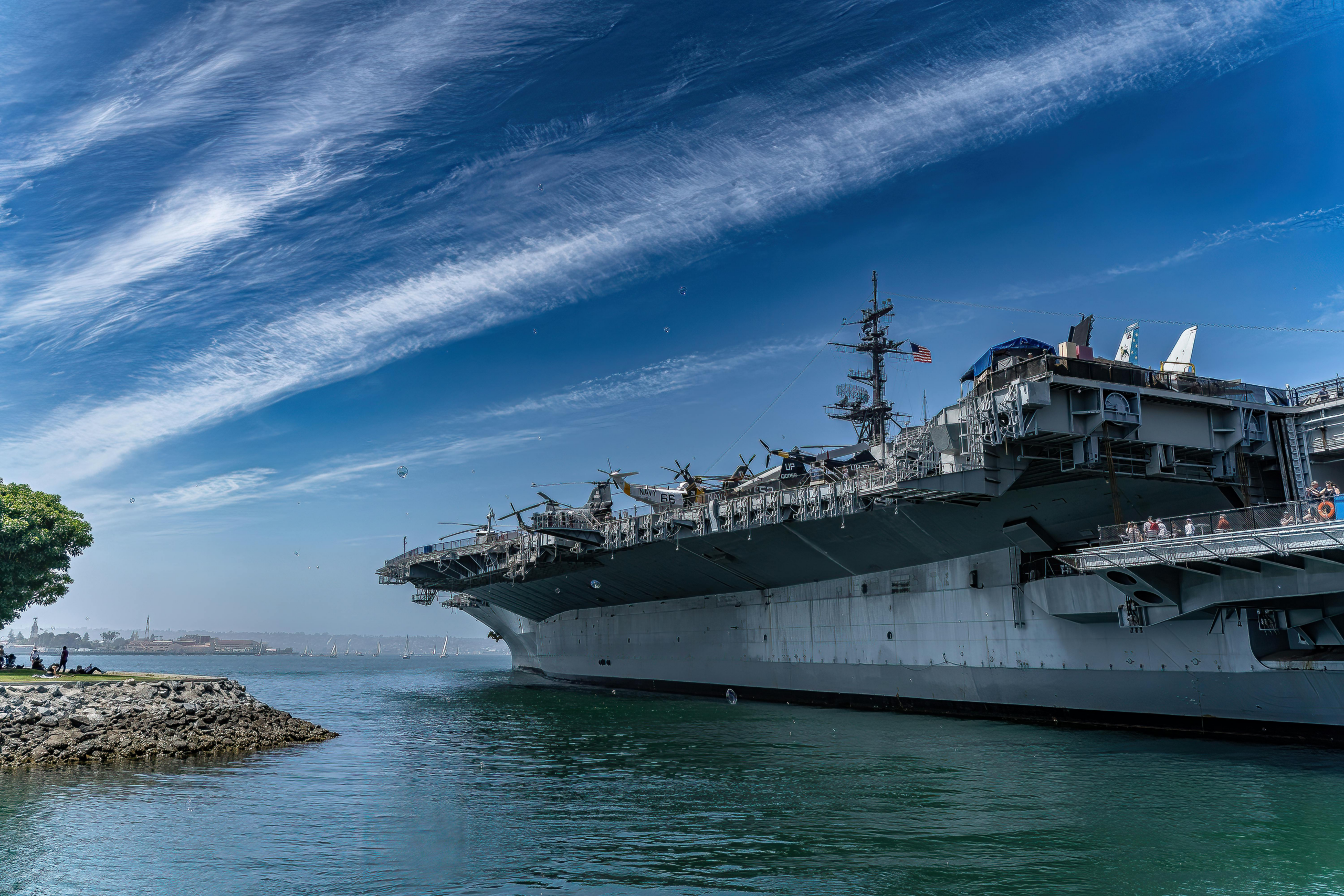
The United States has deployed a third aircraft carrier to the Middle East as tensions with Iran continue to escalate. The move highlights ongoing military preparedness in the region, while political leaders, including former President Donald Trump, have declined to provide a clear timeline for resolving the conflict.
Strengthening Military Presence
The arrival of the latest aircraft carrier signals a significant reinforcement of US naval power in the Middle East. Aircraft carriers serve as mobile airbases capable of projecting force, conducting surveillance, and providing rapid response capabilities. Military analysts say the deployment demonstrates the United States’ commitment to safeguarding its interests and allies in the region.
This strategic buildup comes after recent confrontations and heightened rhetoric between US and Iranian forces. While the carriers themselves are primarily defensive instruments, their presence also serves as a deterrent against potential escalations. Officials emphasize that this is a precautionary measure to maintain stability and readiness rather than an indication of imminent conflict.
Political Uncertainty on Conflict Resolution
Despite the military deployments, political leaders have remained cautious in providing updates on diplomatic efforts. Donald Trump, when asked about a possible end to hostilities with Iran, did not offer a clear timeline, leaving questions about the path to resolution unanswered.
Experts suggest that this ambiguity reflects the complexities of Middle East diplomacy. Negotiations often involve multiple stakeholders, including regional allies and international partners, which can slow the pace of decision-making. The lack of a defined timetable underscores the unpredictable nature of the situation, where rapid developments could shift both military and political strategies.
Balancing Readiness and Diplomacy
While the US strengthens its military presence, efforts toward dialogue and negotiation continue behind the scenes. Officials maintain that the deployment of carriers is not intended to escalate tensions but to provide options should the situation deteriorate. This dual approach—combining readiness with diplomatic engagement—is considered critical in managing a volatile geopolitical environment.
The deployment of multiple aircraft carriers also highlights the logistical and operational capabilities of the US Navy. Coordinating the movement and support of these vessels requires meticulous planning, demonstrating the country’s ability to respond quickly to regional crises. For analysts and observers, the ongoing presence of these carriers serves as both a practical measure and a symbolic message of US commitment to regional security.
As the third carrier joins the fleet in the Middle East, the international community continues to monitor developments closely. The balance between military preparedness and diplomatic efforts will likely shape the coming weeks, as policymakers seek to manage tensions without triggering further escalation.