
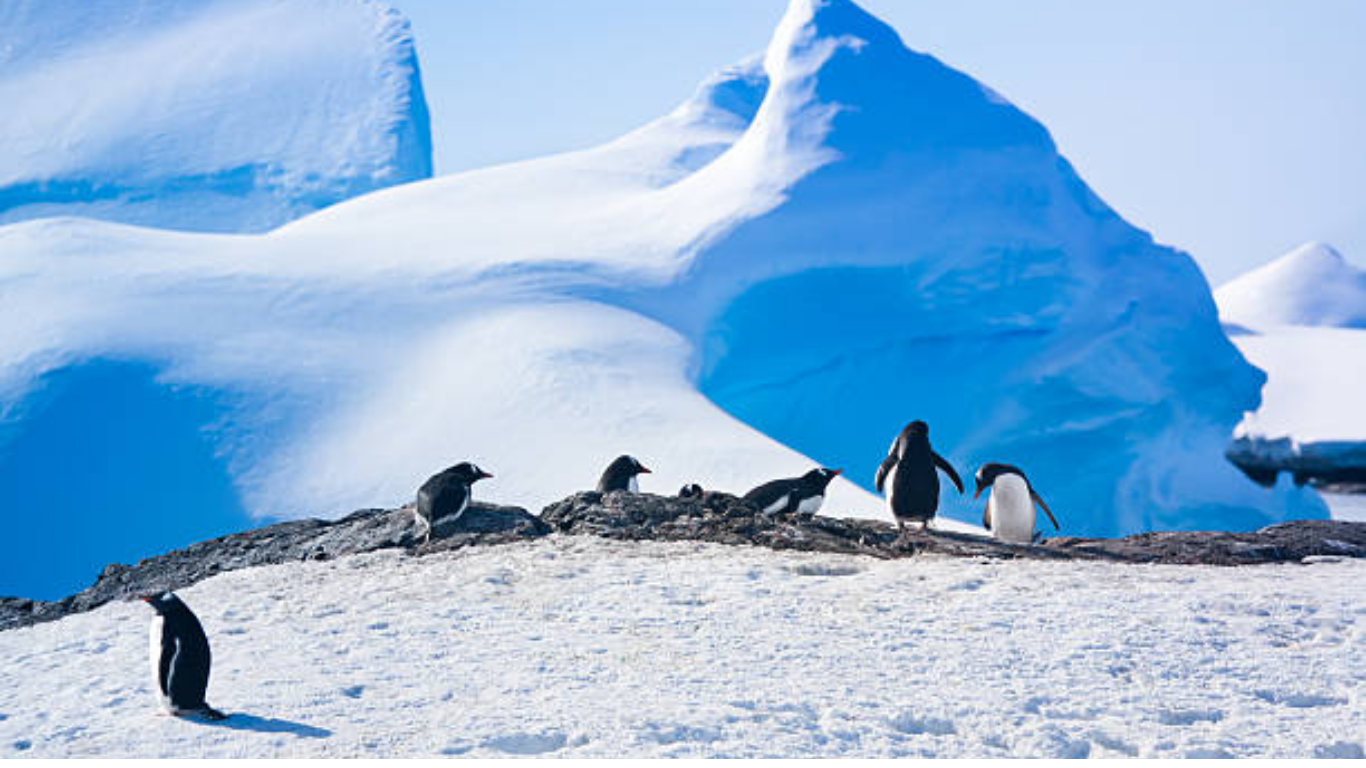
A Triple Threat to Antarctica
Scientists have identified a “triple whammy” of environmental pressures pushing Antarctica toward rapid decline. The continent is experiencing a dangerous combination of rising temperatures, accelerated ice loss, and changing ocean currents. Together, these factors are creating a feedback loop that threatens to destabilize ice sheets and raise global sea levels.
Rising air and ocean temperatures are contributing to faster ice melt across the continent. Glaciers that were previously stable are now retreating, and ice shelves—the floating extensions of glaciers—are thinning at alarming rates. This weakening allows land-based ice to flow more quickly into the ocean, further intensifying sea level rise.
How the Triple Impact Works
Researchers describe the three factors as interconnected: first, warming air temperatures increase surface melting on ice sheets. Second, warmer ocean waters erode the edges of ice shelves from below, thinning them and making them more fragile. Third, changes in ocean currents transport heat beneath the ice, accelerating its collapse.
The combination of these three forces creates a self-reinforcing cycle. As ice shelves break apart, glaciers lose their natural barriers, allowing even more ice to flow into the sea. Scientists warn that this pattern could continue for decades, with consequences not just for Antarctica but for coastlines worldwide.
Global Consequences of Antarctic Decline
The impact of Antarctica’s accelerating ice loss extends far beyond the southern continent. Rising sea levels threaten coastal cities, disrupt ecosystems, and increase the frequency of extreme weather events. Even small changes in Antarctic ice stability can have a ripple effect across the globe.
Researchers emphasize that the current trajectory is alarming but not irreversible. Limiting greenhouse gas emissions and implementing climate mitigation strategies can slow the rate of warming and reduce the pressure on Antarctic ice. Monitoring and modeling efforts are critical to understanding how quickly these changes might unfold and which regions are most at risk.
Looking Ahead
The “triple whammy” identified by scientists highlights the urgency of climate action. It serves as a reminder that Antarctica is highly sensitive to environmental changes and that its fate is closely tied to global climate patterns. Continued research and international cooperation are essential to track ice loss and develop strategies to mitigate its effects on global sea levels.
While the situation is dire, scientists also see opportunities for intervention. Advances in satellite technology, oceanographic research, and climate modeling allow for more precise predictions and targeted conservation efforts. Understanding Antarctica’s dynamics today could make a critical difference in protecting coastal communities and preserving fragile ecosystems for future generations.