A Floating Plastic Nightmare
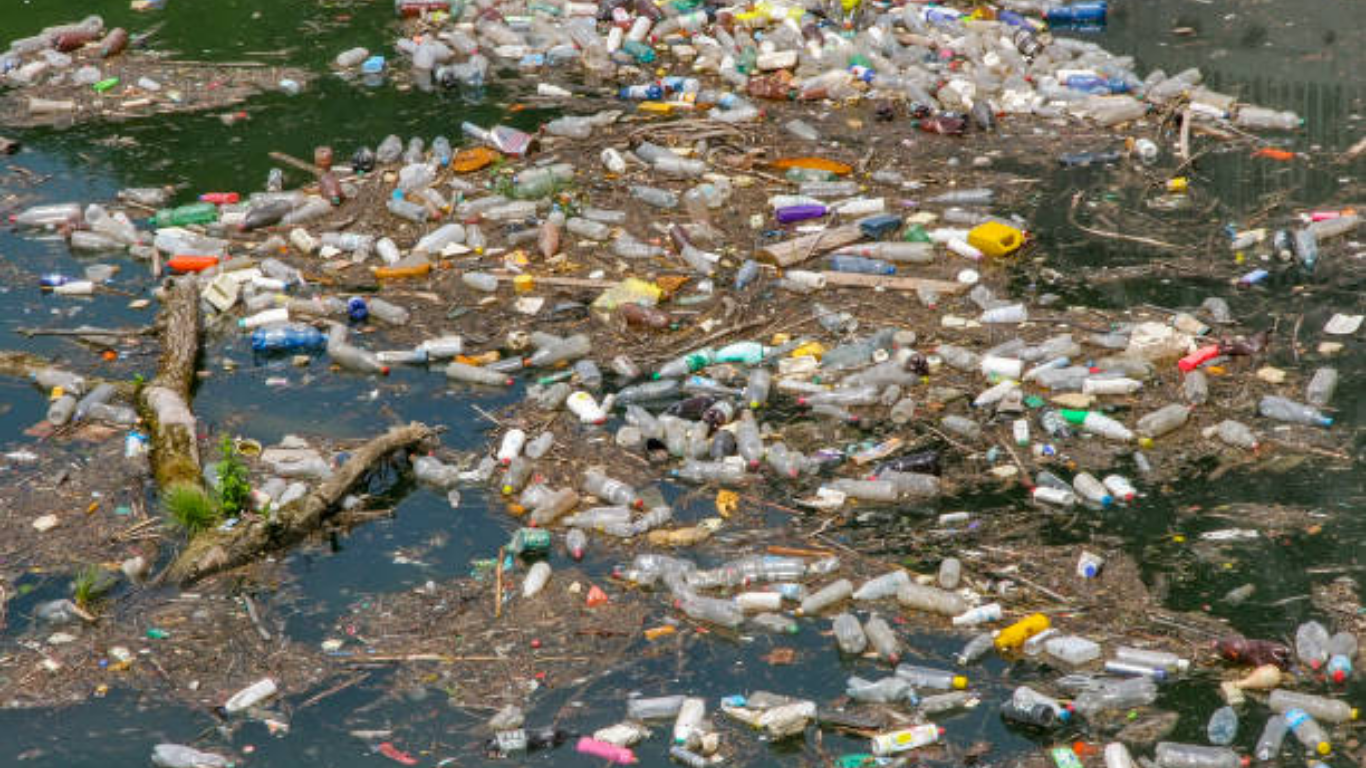
The Great Pacific Garbage Patch has become a striking symbol of humanity’s plastic problem. This massive accumulation of plastic waste, located between California and Hawaii, is made up of millions of tons of debris. While some of it is visible as floating bottles and nets, much of it consists of microplastics—tiny particles that are nearly impossible to remove from the ocean.
Scientists warn that the patch is not just a local issue. It reflects a much larger, hidden problem: the global proliferation of plastic in marine environments. As plastic continues to enter rivers, lakes, and oceans, it can travel thousands of miles, eventually collecting in oceanic gyres like the Great Pacific Garbage Patch.
Why Microplastics Are a Hidden Threat
Microplastics are the true silent danger of ocean pollution. These tiny fragments originate from degraded larger plastics, cosmetic products, synthetic clothing fibers, and industrial waste. Once in the water, microplastics are easily ingested by marine life, from plankton to whales. This contamination not only harms ocean species but can also enter the human food chain through seafood consumption.
Researchers have discovered microplastics in deep-sea sediments, Arctic ice, and even remote freshwater lakes. This widespread presence indicates that the plastic crisis is far more pervasive than what is visible at the ocean’s surface. While cleanup efforts targeting large debris are important, they barely scratch the surface of a problem that extends deep into marine ecosystems.
Global Implications and Solutions
The Great Pacific Garbage Patch highlights a pressing environmental challenge: the need to rethink how society produces, uses, and disposes of plastic. Reducing single-use plastics, improving recycling systems, and promoting sustainable alternatives are crucial steps toward mitigating further harm.
Innovative cleanup projects have been launched to remove visible debris, but scientists emphasize that stopping plastic at its source is the most effective strategy. International cooperation, stricter regulations on plastic production, and public awareness campaigns can help curb the flow of plastics into oceans. Additionally, new technologies are emerging to capture microplastics and prevent them from spreading further.
Looking Ahead
The Great Pacific Garbage Patch serves as a stark reminder of the long-term consequences of plastic pollution. While it’s a dramatic visual representation, the invisible threats—microplastics and their impacts on marine life and human health—pose an even greater challenge. Addressing the plastic crisis requires coordinated global action, innovation, and individual responsibility to ensure healthier oceans for future generations.
Understanding the full scope of plastic pollution is essential. The patch is not just a problem in the Pacific; it’s a warning sign of the broader environmental crisis that requires urgent attention.