European nations moved forward with a major clean energy initiative shortly after comments from Donald Trump criticizing wind power. While not officially linked to his remarks, the agreement highlights a growing shift in Europe’s energy strategy toward independence and stability through renewable sources.
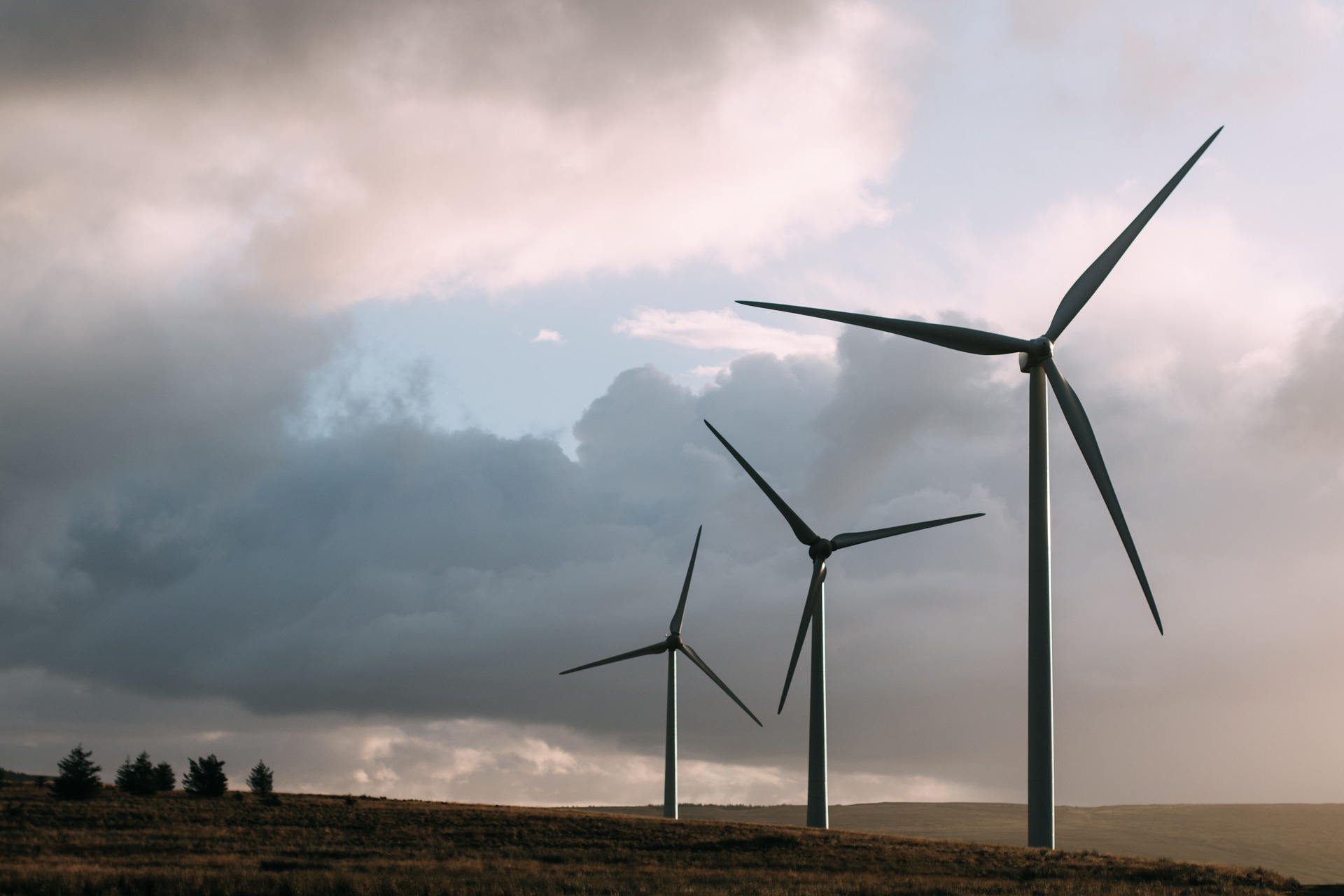
At a summit focused on energy cooperation, nine countries — Belgium, Denmark, France, Germany, Ireland, Luxembourg, the Netherlands, Norway, and the United Kingdom — agreed to expand offshore wind development in the North Sea. The region has long been associated with oil and gas extraction, but leaders now see it as central to Europe’s clean energy future.
The project aims to generate up to 100 gigawatts of electricity from offshore wind farms, enough to power tens of millions of homes. Countries will be connected through high-voltage subsea cables designed to strengthen cross-border energy sharing and improve resilience against supply disruptions.
Energy Security Driving Europe’s Strategy
Europe’s investment in wind energy reflects deeper concerns about energy dependence. Unlike the United States, many European countries lack large domestic fossil fuel reserves. Production from traditional sources has declined in recent years, including reduced output from aging oil and gas fields and the shutdown of major gas operations in the Netherlands due to environmental concerns.
As a result, Europe relies heavily on imported energy. Analysts say this dependence has made the region vulnerable to geopolitical pressure and market volatility. The situation intensified following Russia’s invasion of Ukraine in 2022, which disrupted gas supplies and triggered sharp increases in energy prices across the continent.
To replace lost supplies, European nations significantly increased imports of liquefied natural gas, much of it from the United States. While this shift stabilized supply, it also exposed European economies to fluctuating global prices and new geopolitical uncertainties.
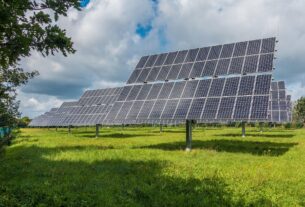
Experts say expanding renewable energy is increasingly viewed not only as an environmental priority but also as a strategic economic decision. Wind and solar power offer domestically produced energy that reduces exposure to external suppliers and strengthens long-term stability.
Renewables Become Central to Europe’s Power Supply
Renewable energy already plays a growing role in Europe’s electricity mix. Wind and solar power together now account for a substantial share of electricity generation across the European Union, with wind energy alone contributing a significant portion of total supply.
The North Sea is considered one of the world’s most promising locations for offshore wind due to its shallow waters and strong, consistent winds. Large-scale development in this area is expected to lower costs through shared infrastructure and coordinated investment across multiple countries.
Supporters argue that expanding offshore wind capacity will help stabilize electricity prices, strengthen energy independence, and support climate goals simultaneously. The scale of the new agreement is intended to accelerate deployment while making clean energy more affordable over time.
Shifting Global Energy Priorities
The contrast between Europe’s renewable expansion and the United States’ continued focus on fossil fuels reflects diverging energy strategies. Analysts say policy choices and geopolitical tensions have pushed European leaders to prioritize domestic energy sources that offer greater control and predictability.
Globally, renewable energy industries continue to face challenges, including higher material costs, workforce shortages, and uneven investment patterns. Despite these obstacles, large collaborative projects such as the North Sea initiative demonstrate growing momentum behind clean energy development.
Observers note that energy policy debates increasingly center on economics and national security as much as environmental goals. For Europe, offshore wind is no longer viewed as a secondary option but as a foundational component of future energy systems.
As international energy dynamics continue to evolve, Europe’s expanding renewable infrastructure signals a long-term commitment to reducing reliance on external suppliers while strengthening regional cooperation and stability.