
A serious medical condition has sidelined Philadelphia Eagles quarterback Jalen Hurts for the remainder of the 2026 season. After initially being diagnosed with a blood clot in his calf, additional medical evaluations revealed deep vein thrombosis and pulmonary emboli in both lungs.
The Eagles announced that Hurts is clinically stable and undergoing treatment with blood-thinning medication. His medical team expects a full recovery, although he will not be able to participate in contact football while receiving treatment.
The Jalen Hurts blood clot diagnosis has renewed public attention on deep vein thrombosis and pulmonary embolism, conditions that can become life-threatening if not recognized and treated promptly.
Understanding Deep Vein Thrombosis
Deep vein thrombosis develops when a blood clot forms in a deep vein, usually in the leg, thigh, or pelvis. Blood clots can develop for several reasons, including injury, reduced movement, certain illnesses, and inherited factors that affect clotting.
Hurts reportedly injured his calf during an October 4 game against the Los Angeles Rams. He sought medical attention before the Eagles’ international game against the Jacksonville Jaguars in London.
Doctors initially identified a clot in a superficial vein in his left calf. Subsequent examinations found a deeper clot and pulmonary emboli affecting both lungs.
Although injuries can increase the risk of clot formation, the publicly available information does not establish a single confirmed cause of Hurts’ condition.
Why Clots in the Lungs Are Dangerous
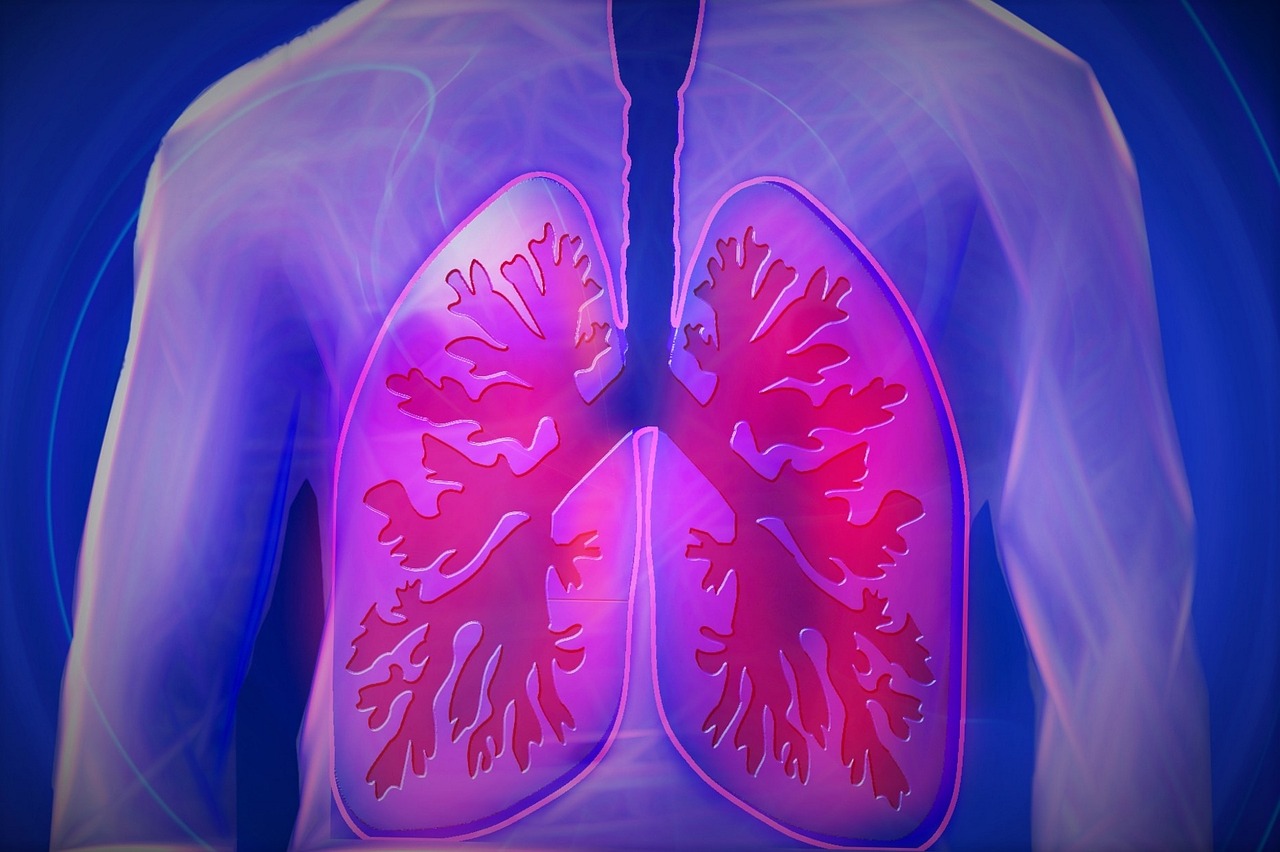
A pulmonary embolism occurs when a clot travels through the bloodstream and blocks an artery in the lungs. The blockage can reduce blood flow, interfere with oxygen exchange, and place pressure on the right side of the heart.
The severity varies depending on the size and location of the clots and the person’s overall health. Some cases cause relatively mild symptoms, while others can lead to dangerously low blood pressure, heart strain, or sudden cardiac arrest.
Potential warning signs include sudden difficulty breathing, chest pain, a fast heartbeat, fainting, and coughing up blood. These symptoms require immediate medical assessment.
Symptoms That Should Not Be Ignored
Deep vein thrombosis may cause swelling, pain, tenderness, or warmth in the affected leg. Sometimes, the skin becomes discolored, although some people experience few noticeable symptoms.
Prolonged sitting, including during long-distance travel, can contribute to clot risk, especially when combined with other risk factors. Injury, surgery, certain medications, cancer, and a history of blood clots may also increase the likelihood of developing thrombosis.
Not every leg injury leads to a blood clot, and symptoms alone cannot confirm a diagnosis. Medical professionals may use ultrasound examinations and other tests to investigate suspected clots.
How Blood Clots Are Treated
Anticoagulant medications, commonly known as blood thinners, are frequently used to treat deep vein thrombosis and pulmonary embolism. They reduce the blood’s ability to form additional clots and prevent existing clots from growing while the body gradually breaks them down.
Some patients require additional procedures or more intensive treatment, depending on the severity of their condition.
For Hurts, the Eagles and his agent have confirmed that anticoagulation is part of his treatment plan. Because blood thinners increase bleeding risk, contact sports must be avoided during treatment.
Recovery and the Return to Football
The team has reported that Hurts’ prognosis is very good and that doctors expect him to recover fully. However, the timing of a return to contact football will depend on medical assessments and when it is safe for him to stop taking anticoagulants.
The Jalen Hurts blood clot diagnosis demonstrates why seemingly localized injuries and unusual symptoms deserve careful medical evaluation. Prompt diagnosis and appropriate treatment can reduce complications and improve the chances of recovery.