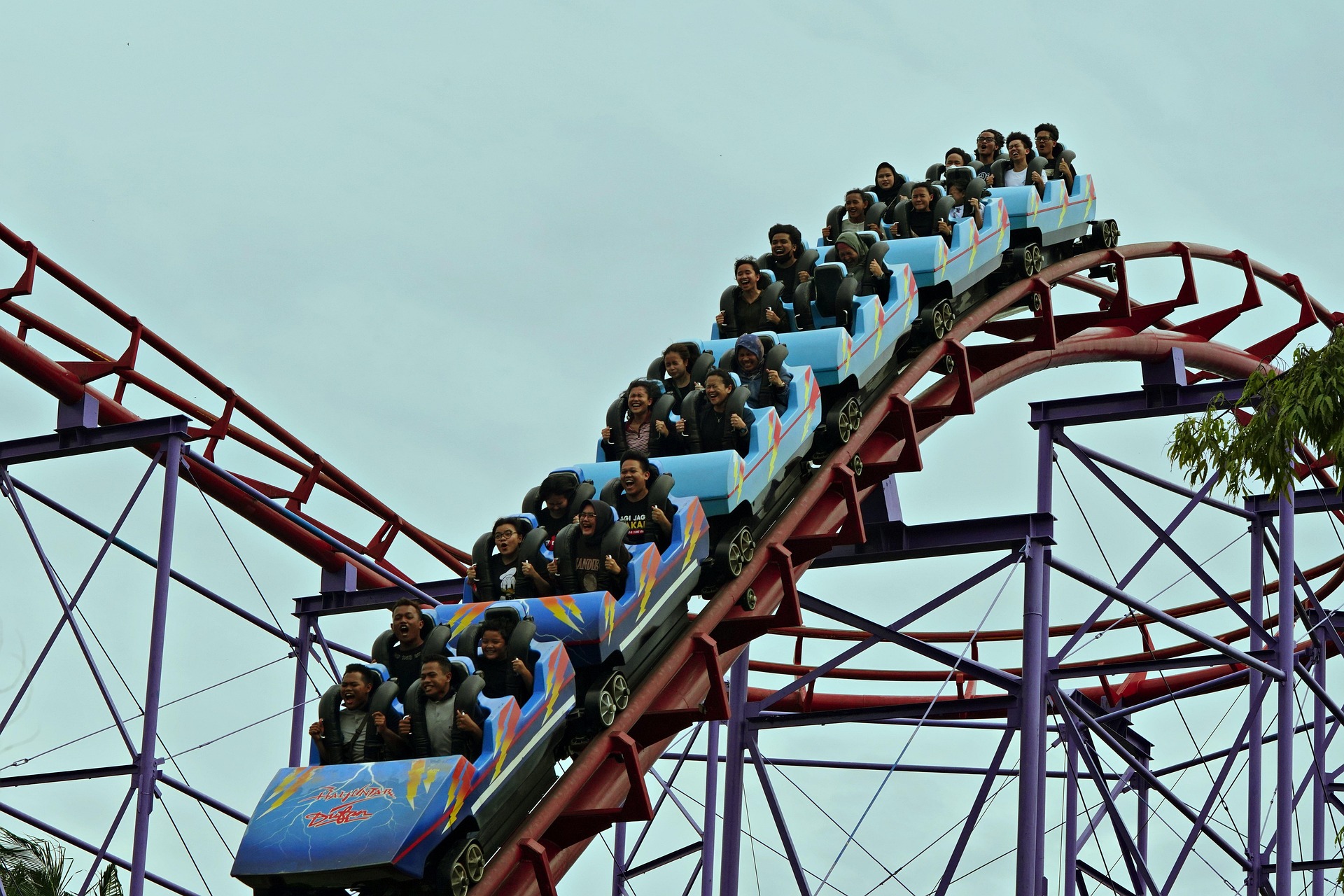
The combination of speed, steep drops, and sudden turns makes roller coasters an exciting attraction for visitors of all ages. Although serious injuries are rare compared with the enormous number of rides taken, these attractions are not entirely risk-free.
Recent accidents and reports of neurological injuries have encouraged renewed attention to roller coaster health risks. Knowing how intense movements affect the body, who may be more vulnerable, and which symptoms require medical attention can help visitors make safer choices.
Sudden Movements Can Affect the Brain
Roller coasters produce rapid acceleration, deceleration, and changes in direction. These forces can move the head abruptly, even when a rider’s body remains secured by the restraint system.
Because the brain sits within fluid inside the skull, sudden movement can cause it to shift relative to surrounding structures. In rare cases, this may contribute to a concussion, bleeding around the brain, or other traumatic injuries.
A subdural hematoma is one possible complication. It occurs when blood collects between the brain and its outer protective covering, potentially placing pressure on brain tissue. Severe cases can require emergency surgery.
These injuries are uncommon, but they demonstrate why roller coaster health risks should not be ignored when symptoms develop after an intense ride.
Neck Strain and Circulation Problems
Sharp turns and forceful movements can place stress on the neck. Riders may experience muscle soreness, stiffness, or headaches that resemble whiplash. Some symptoms appear later rather than immediately after the attraction ends.
Other effects, including nausea, dizziness, and motion sickness, are usually temporary. They can occur when visual information conflicts with signals from the inner ear, which helps maintain balance.
In rare cases, sudden neck movement has been associated with cervical artery dissection. This involves damage to the inner lining of an artery that carries blood toward the brain. The condition can lead to a stroke, making unusual neck pain accompanied by neurological symptoms particularly concerning.
Medical Conditions That Require Extra Caution
People with existing health problems should check ride restrictions carefully. Those with serious heart conditions, uncontrolled high blood pressure, or significant heart rhythm disorders may need to avoid attractions involving intense acceleration and excitement.
People with spinal instability, recent orthopedic injuries, or recent surgery should seek appropriate medical guidance before participating. Individuals with previous strokes, known brain aneurysms, or other serious neurological conditions should also discuss their circumstances with a healthcare professional.
Pregnant people should avoid high-intensity attractions. Children must meet posted height requirements, and restraints must fit correctly to provide the intended protection.
Symptoms You Should Never Ignore
A sudden, unusually severe headache, repeated vomiting, confusion, vision changes, or persistent neck pain after a ride deserves prompt medical assessment.
Emergency warning signs include facial drooping, sudden weakness or numbness, difficulty speaking, fainting, or loss of coordination. These symptoms can indicate a serious neurological problem and require immediate emergency care.
Because roller coaster health risks may not become apparent until hours later, people should not automatically attribute worsening symptoms to motion sickness or ordinary muscle soreness.
Making Safer Choices at Amusement Parks
Before boarding, read the posted warnings and follow every height and restraint requirement. If a ride is unsuitable for a medical condition, choose another attraction rather than taking an unnecessary risk.
Visitors who are uncertain about their fitness for intense rides should seek medical advice. Less intense attractions can still provide an enjoyable experience without exposing riders to the same level of sudden movement.
Amusement parks can be enjoyed responsibly without assuming every ride is appropriate for everyone. Understanding roller coaster health risks helps visitors recognize their limits, respond to warning signs, and make informed decisions about their safety.